Two U.S. service members were killed and one remains missing following an Iranian ballistic missile and drone attack on a U.S. base in Jordan on July 17, 2026, according to U.S. Central Command (CENTCOM). Four other service members were injured and evacuated to hospitals but have since been discharged, while additional personnel with minor injuries returned to duty. The identities of the fallen are being withheld until 24 hours after next-of-kin notification.
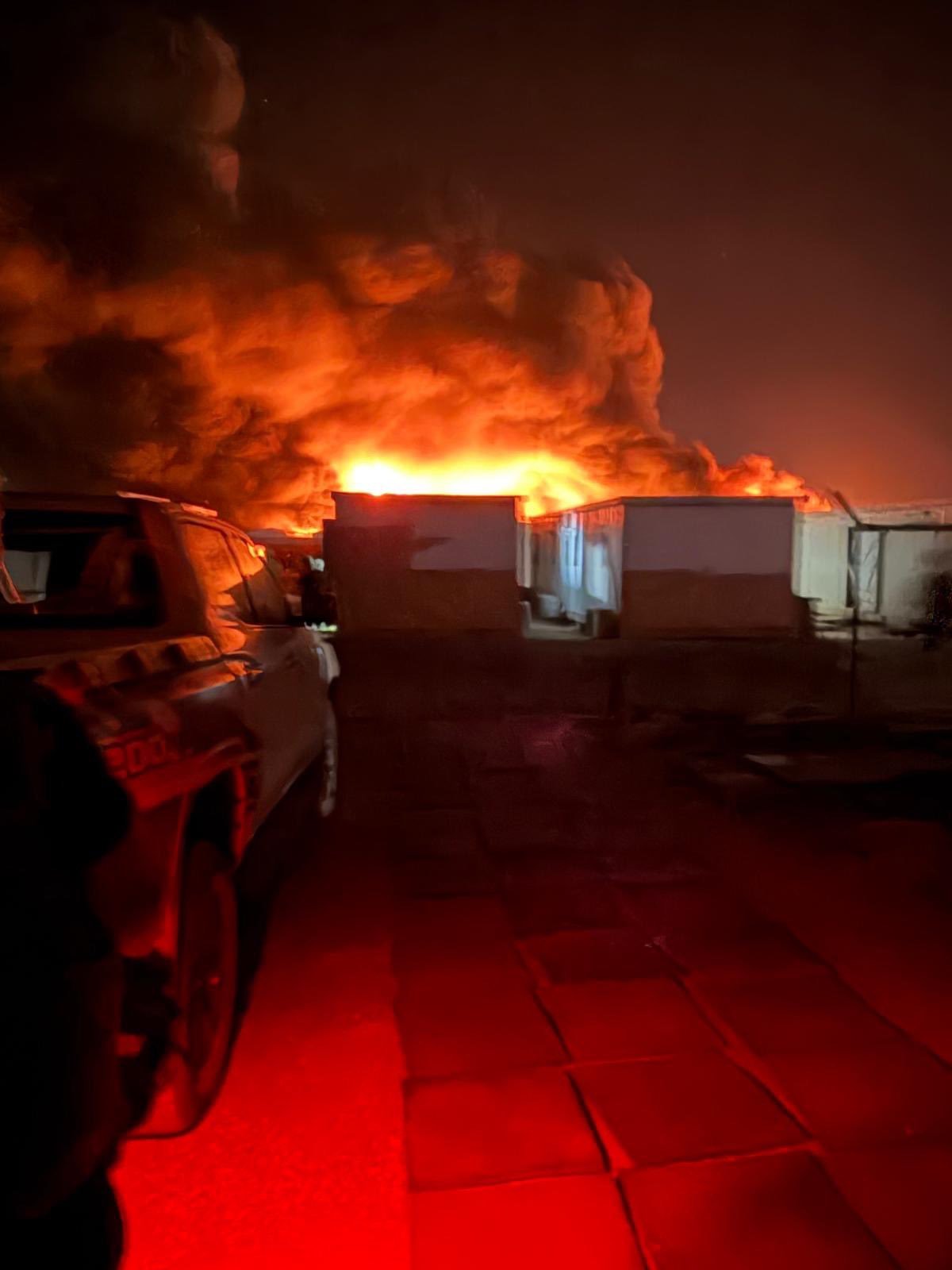
The first attack to hit U.S. forces in Jordan reportedly struck a residential facility at King Faisal Air Base, wounding as many as five U.S. service members. The second hit a base in eastern Jordan where U.S. Blackhawk helicopters were operating from, damaging a significant number of them.
Then hours later, Iranian missiles reportedly hit Jordan’s Muwawffaq Salti Air Base in Azraq, which is the same base where the troops were killed on Friday, the officials said. The earlier strike wounded about 20 U.S. troops rushing to take cover in bunkers. No one was killed in that barrage. But on Friday, when the Iranians struck the base again, two U.S. troops were killed.
Muwaffaq Salti Air Base (also known as Al-Azraq), hosts U.S. troops, combat aircraft (including F-35s, F-16s, and F-15s), and has supported operations in the region. Videos circulating online show missiles impacting the base, with explosions and smoke. Jordan reported intercepting around 10 Iranian missiles, but some penetrated defenses. The flurry of attacks and the losses they have caused are a sign that Iranian forces not only still have ample missile stocks but have also become more adept at evading U.S. air defense systems, according to U.S. officials.
“On July 17, two U.S. service members in Jordan were killed in action as U.S. Central Command (CENTCOM) and partner forces defended against Iranian ballistic missile and drone attacks, CENTCON reported earlier Saturday. "Additionally, one service member is currently missing. Four American service members were medically evacuated to Jordanian hospitals. They have since been discharged. Other personnel who were evaluated for minor injuries have returned to duty.”
In his first public reaction, President Donald Trump reportedly said "it’s a very sad thing. We hate to see it happen." And that "it’s in service to our country…we’re never, they’re never going to allow Iran to have a nuclear weapon.”
Iranian officials on Saturday, said the country has withdrawn from commitments to the memorandum of understanding (MOU) signed with the U.S. "The US has violated and suspended all its commitments within the framework of the Islamabad MoU," Deputy Foreign Minister Kazem Gharibabadi said. "We have also suspended our commitments... and we are busy defending the country."
In a statement Saturday, Iran's Supreme Leader Ayatollah Mojtaba Khamenei said, "The Great Satan's repeated violations of the memorandum of understanding signed between the presidents of Iran and the United States once again proved to everyone how worthless and unreliable the signature of the U.S. president is, and that bullying, hegemonic ambitions, and savagery are inseparable elements of the American way and doctrine.
"The Great Satan has once again revealed its true face without a mask, so that this dark experience of crime and bad faith will stand as yet another powerful testament to America's deceitfulness, irrationality, untrustworthiness, and wickedness. Now that the American enemy is seeking to ignite war and incur even heavier costs and greater disgrace, it should know that the beloved Iranian nation and the Axis of Resistance have unforgettable lessons in store for it. The bravery of the fighters of Islam and the courage of the people of Iran's southern region in recent days have already demonstrated examples of those lessons."
When asked about the supreme leader's statement, Trump told reporters, "I couldn’t care less.”
The attack in Jordan coincided with broader Iranian strikes targeting U.S. facilities and infrastructure in Kuwait, Bahrain, and Iraq, with alerts also issued in Saudi Arabia. Iran's Islamic Revolutionary Guard Corps(IRGC) claimed to have struck specific bases, including Camp Arifjan and Ali Al Salem Air Base in Kuwait, and Al Azraq Air Base in Jordan, alleging damage to aircraft and radar facilities.
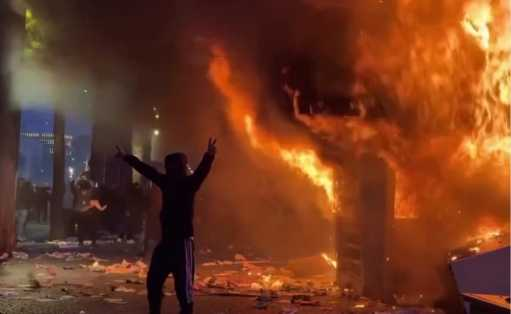
Iranian missiles and drones also targeted civilian infrastructure as well, including oil facilities and water desalination plants in Kuwait, causing fires and injuries.
U.S. officials reportedly note that Iranian missiles (including advanced models like those with maneuverable reentry vehicles, hypersonic glide capabilities such as Fattah variants, or "dancing" missiles like Sejjil) have shown improved ability to challenge defenses through high speeds, trajectory changes, and saturation tactics. Some have penetrated or required multiple interceptors from the U.S. Patriot systems. Iran has adapted tactics over the conflict, using varied launch strategies and more capable systems. Officials are reportedly surprised Iran is able to hit "sensitive targets."
Recent fatalities mark the first U.S. combat deaths in the conflict since a cease-fire unraveled last week, bringing the total U.S. military death toll to 16. The violence follows the collapse of the Memorandum of Understanding.
Iran has suspended its commitments, accusing the U.S. of violating the agreement by resuming airstrikes on Iranian territory, which Iran's Health Ministry says have killed at least 50 people. Iran has closed the Strait of Hormuz and vowed further repercussions.
U.s. and Iran continue to exchange missile and drone attacks, Saturday night. "Today at 6 p.m. ET, U.S. forces began launching new airstrikes against Iran at the Commander in Chief’s direction," CENTCOM announced on X. "The strikes are designed to further degrade Iran’s ability to threaten commercial shipping in the Strait of Hormuz and swiftly punish Islamic Revolutionary Guard Corps forces who launched attacks against American service members in Jordan last night."