Iran launched ballistic missiles at Israel, Sunday—the first such attack since an April ceasefire—in retaliation for an Israeli airstrike on Hezbollah targets in southern Beirut, that killed at least two people. In response, President Donald Trump urgently contacted Israeli Prime Minister Benjamin Netanyahu, urging him not to retaliate and noting that the U.S. is "very close to a final deal" with Iran that could be signed early this week.
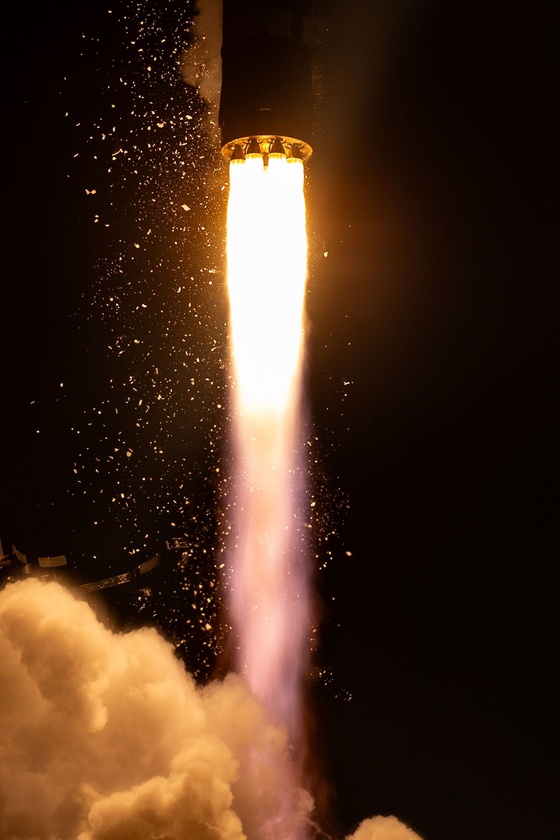
The strike targeted the Ramat David Air Base, which Iran's Revolutionary Guards Corps (IRGC) called a "warning" while threatening "broader" responses if aggression continues.
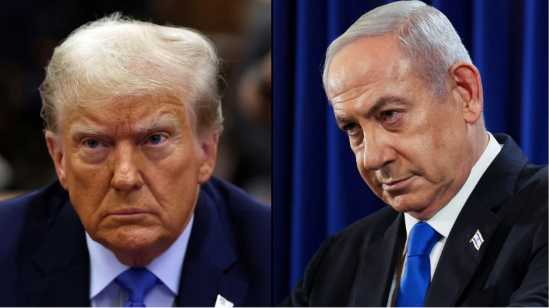
Trump, in remarks to reporters, emphasized de-escalation and diplomatic progress. He told Axios, "I am going to call Bibi right now and tell him not to retaliate... Each of them had their fun. Israel had its strike and Iran had its strike. We don't need another one."
Speaking to Fox News, Trump addressed Iran directly: "You've shot your missiles, that's enough. Get back to the table and make a deal." Regarding the negotiations, Trump stated, "We're very close. I would say an agreement would be signed on Monday, Tuesday or Wednesday of this coming week," warning that an Israeli counter-strike would cause the conflict to continue for years. The Financial Times reported Trump asserting dominance over the situation, quoting him as saying, "I call the shots. He [Netanyahu] doesn't call the shots."
Critics have pointed out that Israel has been trying to derail the US-Iran peace talks that may see Iran get access to its frozen and sanctioned assets, and live the Persian nation in formal control of ship transit through the Strait of Hormuz.
Despite Sunday night's escalation, a senior U.S. official reported that Trump successfully convinced Netanyahu to "hold off for the time being" to allow diplomacy to proceed. The attack caused oil prices to jump nearly 3% to $95.79 and prompted the U.S. Embassy in Jerusalem to close and order employees to shelter in place.