Israeli Prime Minister Benjamin Netanyahu vowed Monday, to "crush" Hezbollah and intensify airstrikes in Lebanon, while U.S. Central Command conducted defensive strikes against Iranian targets in Bandar Abbas and the Strait of Hormuz in response to mine-laying activities.
Netanyahu announced he would "increase the blows" and firepower against Hezbollah, citing the group's use of fiber-optic drones to attack Israeli forces. The Israeli Air Force struck more than 70 Hezbollah sites, including command centers and weapons depots in southern Lebanon and the Bekaa Valley, as it launched Operation Arrows of Fire.
Residents in Beirut’s southern suburbs were seen fleeing as evacuation orders were issued for villages in southern Lebanon; Israeli strikes reportedly killed three people in the region.
Despite a US-brokered ceasefire with Iran that took effect in April, Israel maintains that the agreement does not cover Hezbollah, leading to continued cross-border hostilities and accusations of ceasefire violations from both sides.
Iran’s Foreign Minister Abbas Araghchi expressed support for Hezbollah, while in Doha, Qatar, with Iranian Parliament Speaker Mohammad Bagher Ghalibaf on Monday, to discuss terms for a regional settlement that would reopen the Strait of Hormuz.
Israeli security elites, Jewish supremacists in government and political commentators have criticized Netanyahu’s alignment with US diplomatic efforts, warning that a deal could empower Iran and damage Israel’s strategic position.
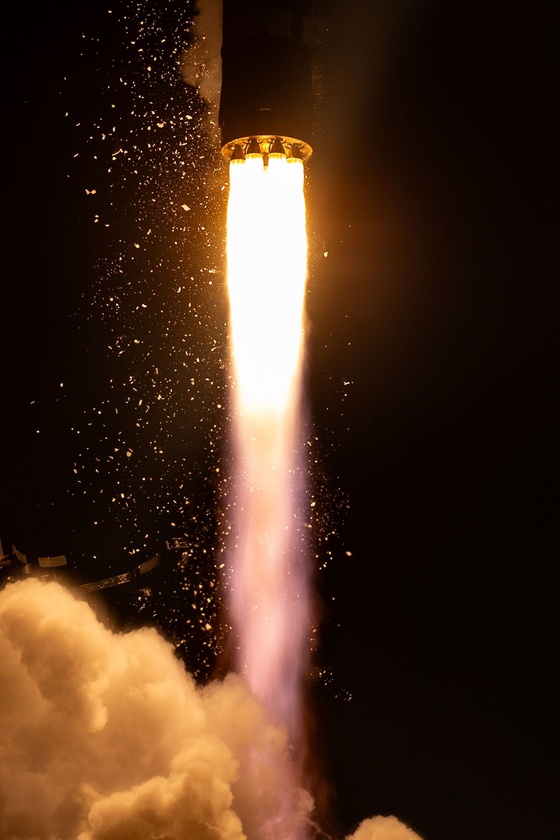
Meanwhile the US military launched strikes on southern Iran, targeting Revolutionary Guard(IRGC) vessels and a surface-to-air missile(SAM) site in Bandar Abbas, which it described as defensive actions against threats to US forces. Targets included Bandar Abbas airport, Shahid Bahonar pier, and possibly Mount Mubarak in Jask.
"U.S. forces conducted self-defense strikes in southern Iran today to protect our troops from threats posed by Iranian forces," CENTCOM's Captain Tim Hawkins said. "Targets included missile launch sites and Iranian boats attempting to emplace mines. U.S. Central Command continues to defend our forces while using restraint during the ongoing ceasefire"
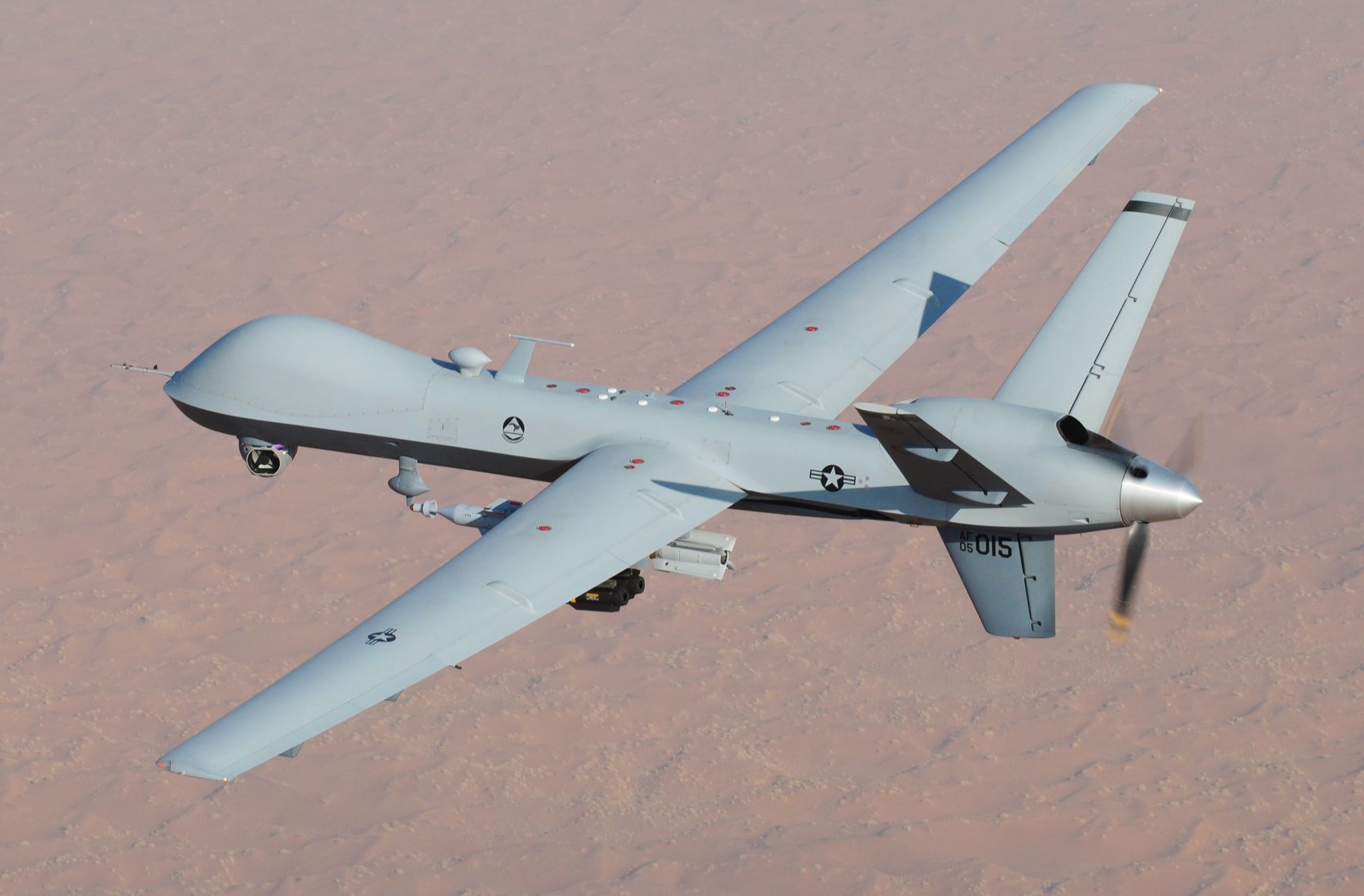
The attacks followed reports that Iranian boats were laying mines in the Strait of Hormuz, a vital waterway for global oil transport. Two IRGC Navy speedboats were reportedly attacked last night. Iran reportedly responded by downing about two US MQ-9 drones, and firing at U.S. warships in the Gulf of Oman, which then allegedly triggered American strikes on the eastern side of Bandar Abbas and the activation of Iranian air defenses.
US officials said the strikes were conducted "with restraint" during the ongoing ceasefire and did not indicate its collapse, though explosions were heard across the region.
These military actions occurred simultaneously with high-stakes peace talks between the US and Iran, led by Trump’s administration, which is pushing for Iran to hand over or destroy its enriched uranium stockpile under IAEA oversight.
President Donald Trump appeared to soften US position on the fate of the highly enriched Uranium stockpile in Iran, which he had demanded be handed over to the US in any future peace deal.
"The Enriched Uranium (Nuclear Dust!) will either be immediately turned over to the United States to be brought home and destroyed or, preferably, in conjunction and coordination with the Islamic Republic of Iran, destroyed in place or, at another acceptable location, with the Atomic Energy Commission, or its equivalent, being witness to this process and event. Thank you for your attention to this matter!" Trump wrote on Truth Social early morning Tuesday.
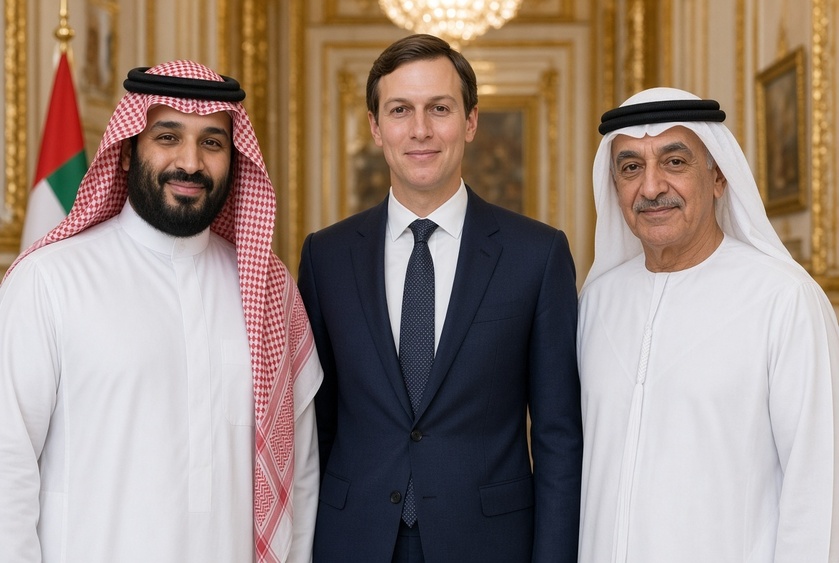
The US president on Monday, also issued a lengthy Truth Social post, saying he had spoken with Gulf Arab leaders and stipulated that any deal to end the Iran war should require them to sign the Abraham Accords, which normalized relations between Israel and a handful of Middle Eastern countries. A demand rejected out of hand by officials in Qatar, Saudi Arabia and Pakistan, Monday.
Strait of Hormuz blockade have caused oil prices to fluctuate, with West Texas Intermediate falling below $91.33 a barrel on optimism for a deal, while Brent crude remained near $97.68.