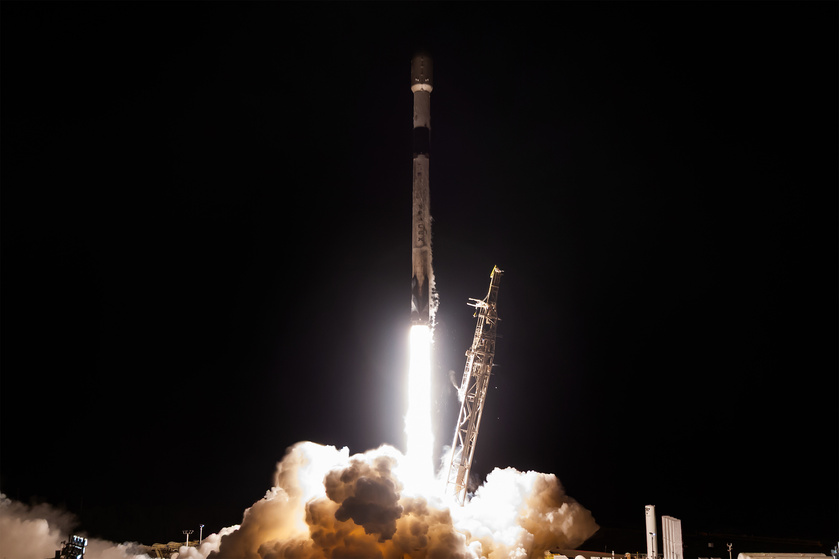
Electron, topped by YAMATSUMI-II (a.k.a. QPS-SAR-19) satellite, lifted off Saturday(Nov. 14), at 0530 UTC, from Launch Complex 1 (LC-1), Mahia Peninsula New Zealand, on the "The Mountain God Rises" mission, completing the 100th launch of the Rocket Lab's rocket, and marking a historic milestone as the fastest commercial rocket to reach triple-digit flights.
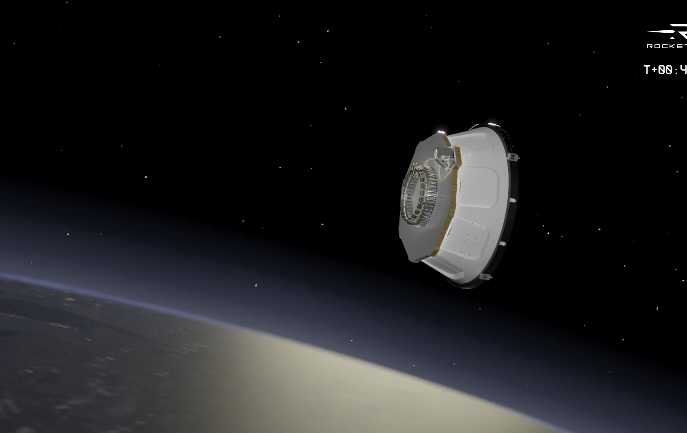
The rocket's upper "kick stage" deployed a single iQPS spacecraft 575 kilometers with a 42-degree inclination above Earth. The satellite successfully separated about 50 minutes after liftoff, with iQPS confirming first communications and antenna deployment shortly thereafter.
YAMATSUMI-II is a synthetic aperture radar (SAR) satellite built for the Tokyo-based company iQPS, as the company expands its constellation of 36 SAR satellites designed to provide high-resolution Earth imaging through clouds and at night. This was iQPS’s 11th launch with Rocket Lab, with seven additional dedicated Electron launches booked through 2030 to complete the constellation.
Electron achieved 100 launches in less than a decade since its debut in 2017, surpassing previous records for commercially developed rockets.
"It's an unprecedented milestone for a commercial small-lift orbital rocket, and a threshold rarely crossed in modern spaceflight," Rocket Lab founder and CEO Peter Beck said on Monday (Nov. 9), during Rocket Lab's third-quarter earnings call with investors. "But what matters most to us and our customers is that we have achieved a 96% reliability rate across 99 launches."
In the years since, the 18-meter-tall rocket has become one of the most prolific and reliable rockets in the world, carrying small payloads to the final frontier for a variety of customers. SpaceX workhorse, Falcon 9, still dominates the mass-to-orbit by far, launching nearly 85% of the world's payloads to orbit. The Elon Musk company launched the world's most powerful megarocket, Starship, from its Starbase launch site earlier on Friday(Nov. 13)