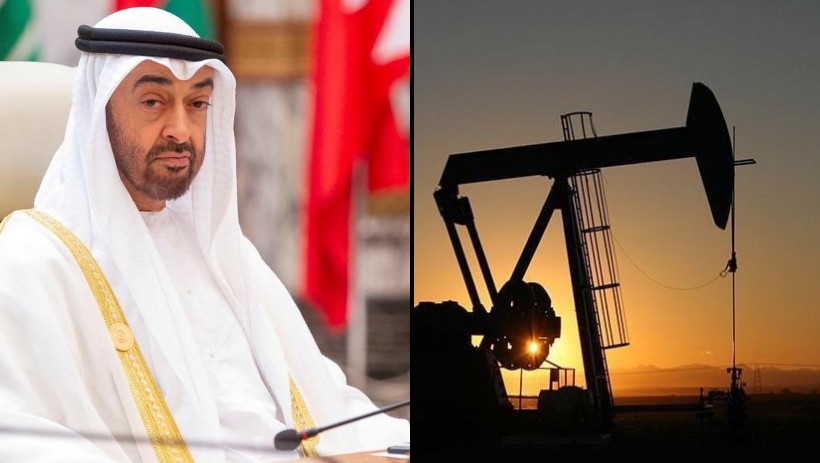
The United Arab Emirates (UAE) has announced it will leave OPEC and OPEC+ effective May 1, 2026, citing its "long-term strategic and economic vision" and frustration over regional inaction during the ongoing Iran war. The decision marks a significant blow to the oil cartels, particularly Saudi Arabia, OPEC’s de facto leader, as the UAE is the third-largest oil producer in the group and a major, sophisticated exporter.
Geopolitical tensions and regional rifts drove the UAE’s exit. The country faced repeated Iranian missile and drone attacks, with over 500 ballistic missiles and 2,250 drones intercepted since early April, yet received limited military or political support from Gulf allies.
Anwar Gargash, UAE diplomatic adviser, criticized the Gulf Cooperation Council (GCC) and Arab League for their “weakest historical” response. The UAE also clashed with Saudi Arabia over regional influence, oil production quotas, and Saudi Arabia’s defense pact with Pakistan, which the UAE viewed as undermining its security interests amid the conflict.
Gulf and Arab critics view with suspicion the UAE's cozy relationship with Israel. And many believe the U.S. and Israel may have nudged UAE to leave OPEC. President Donald Trump has been a frequent critic of OPEC over its impact on oil prices.
The Iran war, initiated by the U.S. and Israel in February 2026, has severely disrupted energy markets by blocking the Strait of Hormuz—through which about 20% of global oil passes—causing Brent crude to rise above $105 per barrel.
Trump has linked U.S. military support for Gulf states to oil pricing, accusing OPEC of “ripping off the rest of the world.” The UAE’s move is seen as a strategic win for Trump, who recently backed a dollar swap line with the UAE.
Iran is expected to submit a revised peace proposal in the coming days after Trump rejected an earlier version.