Iran shot down a U.S. Air Force F-15E Strike Eagle and struck an A-10C Thunderbolt II and multiple Black Hawk helicopters during intense combat operations on Friday, one day after U.S. and Israeli airstrikes destroyed the B1 Bridge in the Azimiyeh district of Karaj, Iran, killing 13 civilians.
One crew member, the pilot, was rescued by U.S. special forces; the weapons system officer remains missing and is believed to have ejected over southwestern Iran, in Kohgiluyeh and Boyer-Ahmad Province, where Iranian forces have launched a manhunt.
A-10C and Black Hawk aircraft were hit during rescue efforts. The A-10C Warthog, involved in the search-and-rescue mission, was struck by Iranian fire near the Strait of Hormuz, forcing the pilot to eject over the Persian Gulf.
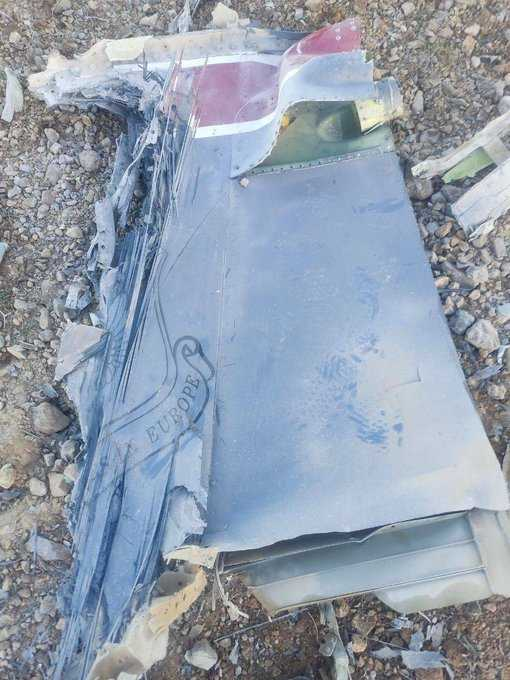
The pilot was safely recovered and is receiving medical care. Two U.S. UH-60 Black Hawk helicopters participating in the rescue were also hit by Iranian ground fire—one while carrying the rescued F-15E pilot. Crew members sustained minor injuries, but both helicopters escaped to safety in Iraq or Kuwait. Iranian state media released footage of wreckage, including an ejection seat, and offered a bounty for the capture of any surviving American pilot, urging civilians to assist.
The downing of the F-15E, a two-seat dual-role fighter, marked the first time Iran successfully shot down a manned U.S. aircraft since the war began on February 28, 2026.
The latest escalation follows regional strikes and threats. The April 2 attacks on the Karaj bridge followed President Donald Trump’s warning to “bomb Iran back to the Stone Ages” if the Strait of Hormuz remained blocked. Iran retaliated with missile and drone strikes on Gulf allies—damaging a desalination plant in Kuwait and igniting fires at gas facilities in Abu Dhabi.
Despite U.S. claims of air superiority and degraded Iranian defenses, Iran has demonstrated resilience, reactivating missile sites within hours of being bombed. The incident has intensified diplomatic and military stakes, with Israel halting planned strikes to avoid interfering with the rescue mission.
Meanwhile, Iran has reportedly rejected a U.S. 48-hour ceasefire proposal and refused to meet American officials in Islamabad. Tehran labeled the U.S. demands as "excessive, unrealistic and irrational" and formally informed mediators it would not participate in planned talks hosted by Pakistan, effectively stalling regional diplomatic efforts.
The U.S. had submitted a 15-point ceasefire proposal via intermediaries, reportedly including measures such as sanctions relief, limits on Iran’s missile program, civilian nuclear cooperation, and reopening the Strait of Hormuz.
Pakistan had offered to host the talks, with Foreign Minister Ishaq Dar stating the country would be “honoured to host and facilitate meaningful talks,” but Iran dismissed the initiative, asserting that “Pakistan’s forums are their own; we didn’t participate.”
Iran received the proposal through intermediaries but denied any direct negotiations with the U.S. Iranian Foreign Ministry spokesperson Esmail Baghaei stated Tehran had only received “excessive and unreasonable demands” and emphasized that “one must remember who started it.”
Despite President Donald Trump claiming “we’re doing extremely well in that negotiation,” Iranian officials, including Parliament Speaker Mohammad Bagher Ghalibaf, have consistently denied any ongoing talks.
As of Friday, ceasefire prospects appear bleak, with prediction markets indicating less than 1% chance of agreement by an April 7 deadline, amid continued military strikes and regional escalation.