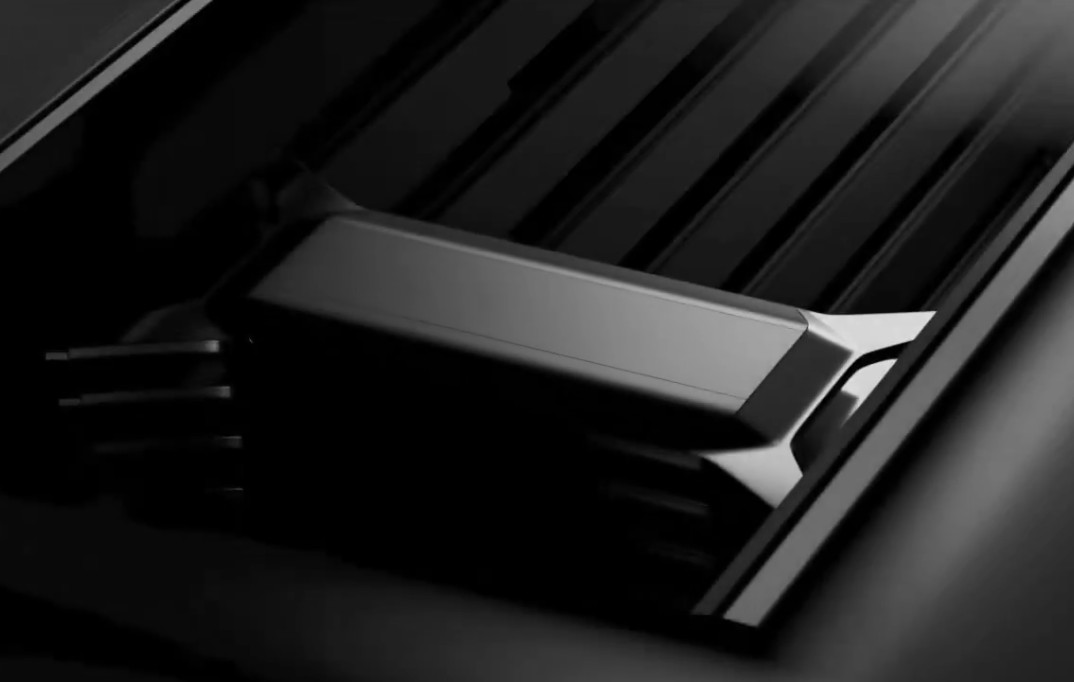
Elon Musk officially unveiled the Terafab project at the defunct Seaholm Power Plant in Austin, Texas, marking a joint venture between Tesla, SpaceX, and xAI to build what Musk described as “the most epic chip building exercise in history by far.” The $20–25 billion initiative aims to vertically integrate the entire semiconductor production process—design, lithography, fabrication, memory production, advanced packaging, and testing—under one roof, targeting one terawatt of compute capacity annually.
Terafab aims to manufacture terrestrial chips for Tesla’s Full Self-Driving vehicles, Cybercab robotaxis, and the Optimus humanoid robot, with production volumes expected to be 10 to 100 times higher than Tesla cars.
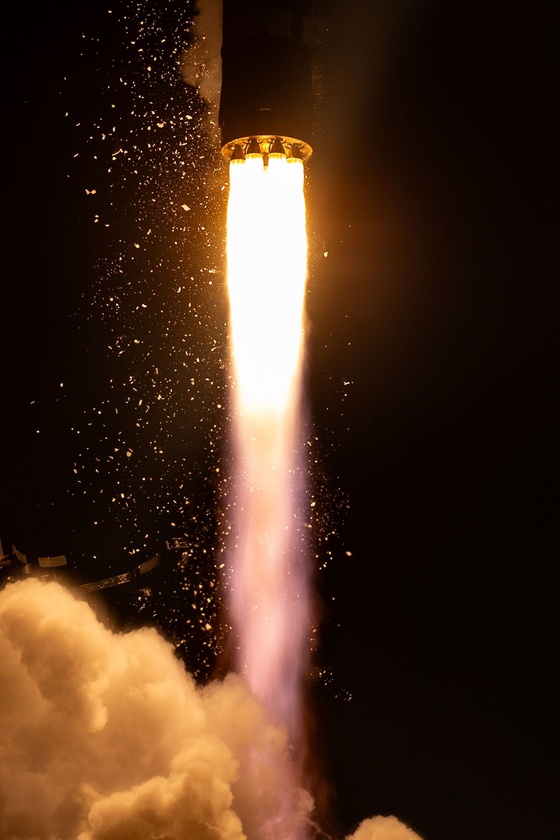
The chip fabrication plant will also produce D3 chips, a radiation-hardened variant designed for space environments, to power a future fleet of one million AI data center satellites in low Earth orbit.
Terafab's goals include Space-based AI computing, leveraging constant solar energy in orbit to reduce costs—Musk said that once launch costs drop sufficiently, “putting AI in space becomes a no-brainer.”
Musk emphasized the project's urgency: “We either build the Terafab or we don’t have the chips, and we need the chips, so we build the Terafab.” He framed the project as a necessity due to projected global chip shortages, with demand from Optimus robots alone requiring 100–200 gigawatts of compute, and AI satellites needing terawatts—exceeding current global production capacity.
"If you add up all the fabs on earth combined, they're only about 2% of what we need for the Terra fab project," Musk said. "We're very grateful to our existing supply chain, to Samsung, TSMC, and others, and we would like them to expand as quickly as they can, and we will buy all of their chips. I have said these exact words to them, and there's a maximum rate at which they're comfortable expanding, but that rate is much less than we would like, So we're gonna build the Terafab."
Terafab is a capstone to Musk’s broader vision of a multi-planetary and galactic civilization, integrating Tesla’s solar manufacturing push, SpaceX’s Starship rocket development, and xAI’s AI ambitions.
SpaceX acquired xAI in February 2026, and Tesla has invested $2 billion in xAI, aligning the companies under a unified AI and hardware strategy.
The project faces surmountable obstacles due to Musk’s lack of semiconductor manufacturing experience, but it reflects a strategic move to bypass reliance on TSMC, Samsung, and Micron. Success hinges on regulatory approvals, engineering execution, and the ability to scale production to 70% of TSMC’s current global output. The Tesla CEO is known to take on and deliver on ambitious projects and surprising his critics.