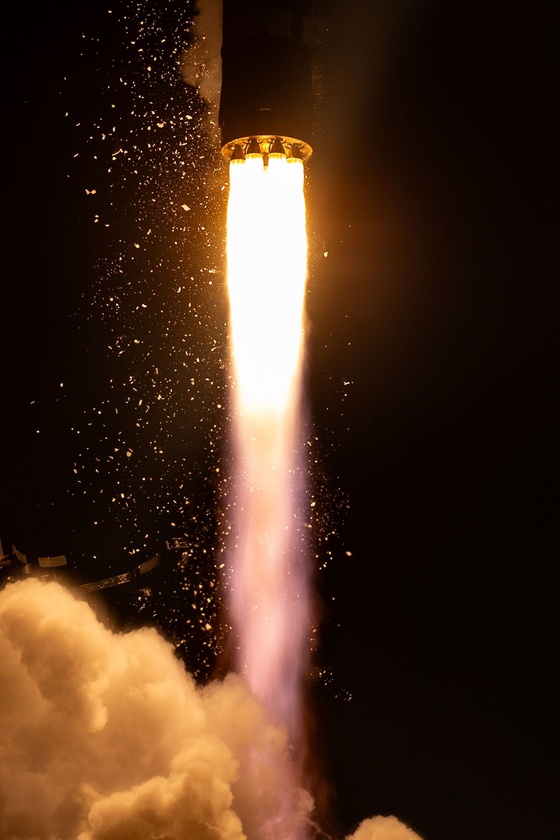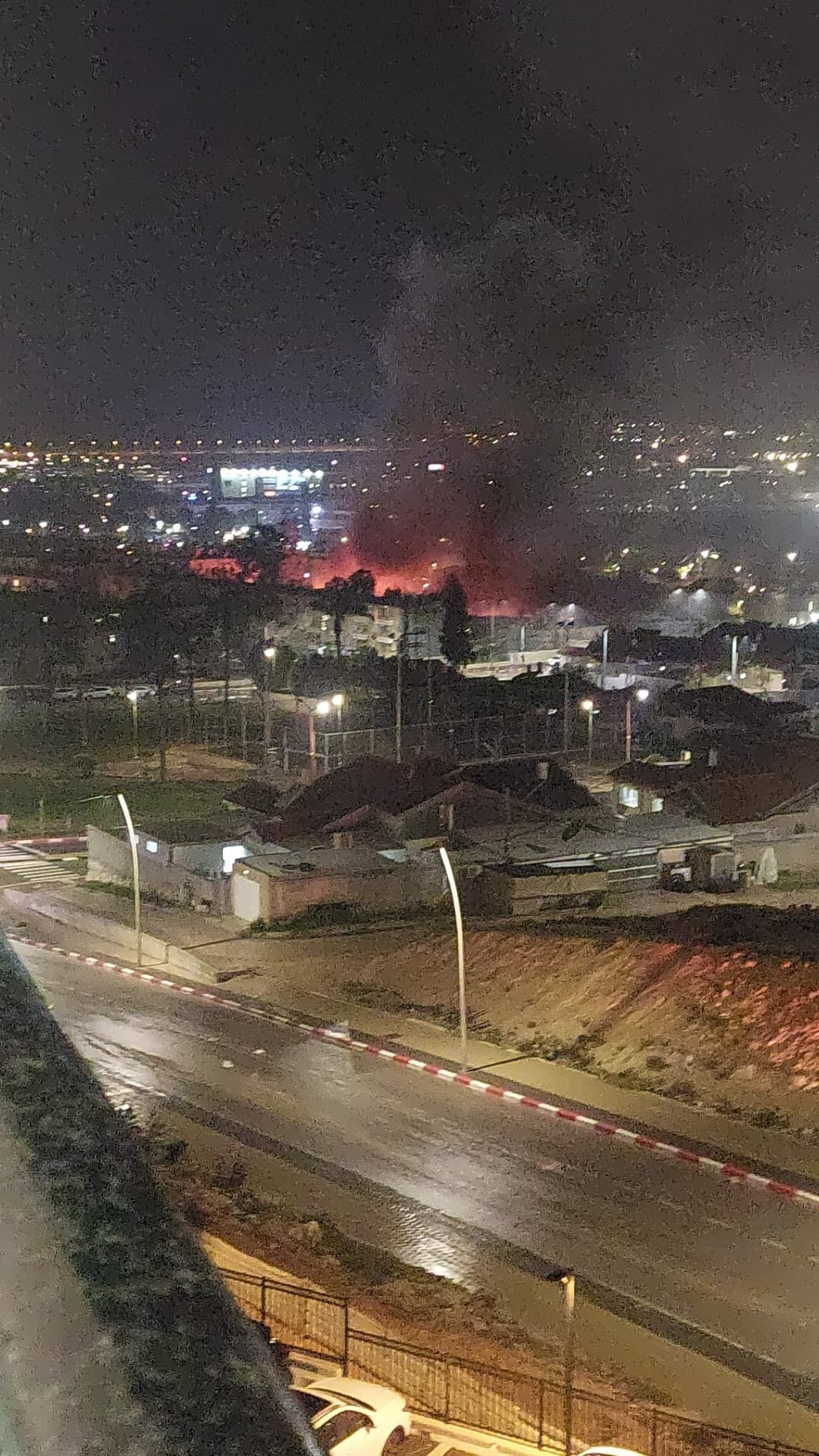
Iranian missile strikes targeted southern Israeli cities Dimona and Arad, Saturday, following U.S. and Israeli attacks on Iran’s Natanz uranium enrichment facility and the Bushehr nuclear power plant. Iranian state media confirmed the missile barrage was a response to these strikes, which Tehran said targeted critical nuclear infrastructure.
The International Atomic Energy Agency (IAEA) confirmed damage at Natanz and a projectile impact near Bushehr, with no reported radiation leaks.
Dimona hosts the Shimon Peres Negev Nuclear Research Center, widely believed to be the core of Israel’s undeclared nuclear weapons program. Although the nuclear facility itself was not damaged, multiple missiles struck residential areas, and dozens were injured across two southern Israeli cities Dimona and Arad, including a 12-year-old boy in serious condition and others suffering from shrapnel wounds and blast-related injuries.
The IDF admitted failure to intercept the incoming missiles, triggering an investigation into the breach of Israel’s multi-layered air defense.
Iran claimed the use of hypersonic-capable missiles, signaling a major escalation by demonstrating the ability to penetrate advanced defense systems. The strike marked a shift toward nuclear-associated strategic targeting, raising global concerns about a potential nuclear-shadow conflict. Iranian Parliament Speaker Mohammad Bagher Ghalibaf called it a "new phase" of warfare, asserting that Israel’s skies were no longer impenetrable. Iran also targeted energy infrastructure in Gulf states.
Hezbollah joined the escalation, launching rocket barrages into northern Israel, injuring at least 19 people and striking homes in border towns.
The U.S.-UK military base on Diego Garcia in the Indian Ocean was targeted with two intermediate-range ballistic missiles. One missile failed mid-flight, and the other was intercepted by a U.S. warship, according to U.S. officials. Iran denied involvement in the srikes. British officials and NATO Secretary General Mark Rutte say they “cannot confirm” Israel’s assessment that the missiles were fired by Iran. War experts online suspect it was a 'false flag' operation from an Israeli submarine designed to 'drag NATO' into the war.
The UK has authorized the U.S. to use RAF Fairford in Gloucestershire and the joint UK-US base to conduct limited defensive operations against Iranian missile sites targeting commercial shipping in the Strait of Hormuz. This marks a significant policy shift by Prime Minister Keir Starmer’s government, which had previously restricted U.S. use of these bases to defensive actions protecting British interests.
After initially resisting U.S. requests for broader access, citing legal and strategic concerns, Starmer reversed course amid growing pressure and insults by President Trump. The UK government framed the authorization under the principle of collective self-defense, emphasizing that the operations are aimed at restoring freedom of navigation in one of the world’s most critical oil transit routes.
Trump criticized the UK’s decision as a “very late response." Iran’s Foreign Minister Abbas Araghchi condemned the UK’s decision, accusing Starmer of “putting British lives in danger” and asserting Iran’s right to self-defense.
Diego Garcia lies approximately 3,795 km from Iran and hosts long-range bombers, nuclear submarines, and missile defence systems. Its strategic location makes it a critical hub for U.S. and UK military operations in the Indo-Pacific and Middle East. The island is also at the center of ongoing negotiations to transfer sovereignty of the Chagos Islands to Mauritius, with the UK retaining a long-term lease for military use—a plan opposed by Trump and Republican lawmakers.
Iran’s ability to target such a distant base has raised concerns about its missile capabilities, with independent analysts suggesting Tehran possesses systems with ranges up to 4,000 km, far exceeding its official 2,000 km limit.
Israel and the U.S. intensified strikes on Iran, with Central Command reporting over 8,000 targets hit, including missile storage sites, naval assets, and facilities linked to ballistic missile development. Israeli forces also struck Malek Ashtar University in Tehran, a site tied to Iran’s military nuclear research.
The conflict has driven oil prices to their highest level since 2022, and the G7 called for an immediate cessation of attacks, warning of global energy and security risks. The IAEA urged restraint, emphasizing the dangers of military actions near nuclear sites.
"If Iran doesn’t FULLY OPEN, WITHOUT THREAT, the Strait of Hormuz, within 48 HOURS from this exact point in time, the United States of America will hit and obliterate their various POWER PLANTS, STARTING WITH THE BIGGEST ONE FIRST! Thank you for your attention to this matter," Trump wrote on Truth Social late Saturday. Iranian commanders have threaten retaliation.