President Trump's Iranian oil sanction waiver has been implemented from March 20 to April 19, 2026, as part of an emergency effort to stabilize global oil markets amid soaring prices due to the ongoing U.S.-Israeli military campaign against Iran. The U.S. Treasury authorized the purchase of approximately 140 million barrels of Iranian oil already at sea, aiming to release about 10–14 days’ worth of supply previously blocked by sanctions and largely destined for China.
"Today, the Department of the Treasury is issuing a narrowly tailored, short-term authorization permitting the sale of Iranian oil currently stranded at sea," Treasury Secretary Scott Bessent announced on X. "At present, sanctioned Iranian oil is being hoarded by China on the cheap. By temporarily unlocking this existing supply for the world, the United States will quickly bring approximately 140 million barrels of oil to global markets, expanding the amount of worldwide energy and helping to relieve the temporary pressures on supply caused by Iran. In essence, we will be using the Iranian barrels against Tehran to keep the price down as we continue Operation Epic Fury.
"This temporary, short-term authorization is strictly limited to oil that is already in transit and does not allow new purchases or production. Further, Iran will have difficulty accessing any revenue generated and the United States will continue to maintain maximum pressure on Iran and its ability to access the international financial system.
"So far, the Trump Administration has been working to bring around 440 million additional barrels of oil to the global market, undercutting Iran’s ability to leverage its disruptions in the Strait of Hormuz."
U.S. and Israeli strikes have intensified, targeting key Iranian infrastructure and leadership. Israel conducted a major strike on Iran’s South Pars gas field—the world’s largest natural gas field—damaging a facility critical to Iran’s domestic energy supply.
The U.S. has carried out numerous strikes in coordination, including a large-scale precision attack on Kharg Island, destroying 90 military targets while attempting to preserve oil export infrastructure. American and Israeli forces have also targeted Iranian intelligence commanders and missile sites, with Defense Secretary Pete Hegseth stating the campaign includes degrading Iran’s ballistic missile production, navy, and nuclear capabilities.
Iranian retaliation has been widespread and aggressive. In response to the South Pars attack, Iran launched missile and drone strikes on energy facilities in Qatar, Saudi Arabia, Kuwait, and the UAE.
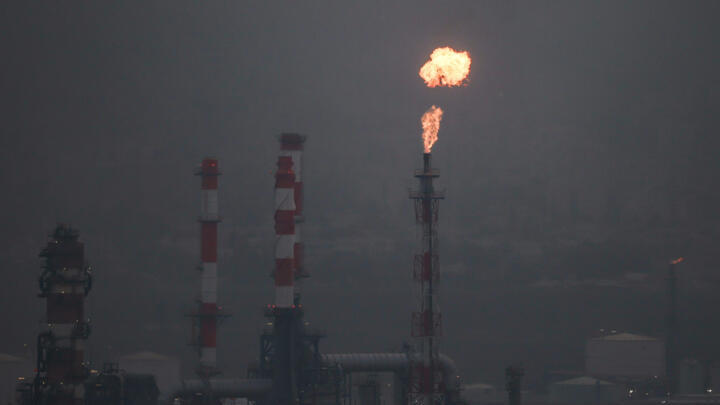
Multiple attacks hit Kuwaiti oil refineries, causing fires and prompting Kuwait’s military to confirm it was intercepting “hostile missile and drone attacks.” Iran also fired missiles at Israeli targets, including the Haifa oil refinery, causing minor damage. Air raid sirens sounded across Israel, including Tel Aviv, as Iran deployed missiles with cluster warheads.
Hezbollah, backed by Iran, has escalated attacks from Lebanon, with Israel reporting over 770 deaths in Lebanon from retaliatory strikes. Iran has also targeted U.S. interests, including a drone strike on the U.S. Embassy compound in Baghdad, hitting a helipad, and attacks on American military bases in Kuwait.
Despite the conflict, Trump denied plans to deploy ground troops, though around 5,000 additional U.S. Marines and sailors are being sent to the region. Trump claimed he told Israeli Prime Minister Netanyahu to stop attacking Iranian energy infrastructure, threatening to “massively blow up” South Pars if Iran strikes Qatar again.
The war has killed over 2,000 people across the Middle East, including more than 1,200 in Iran, 850 in Lebanon, 13 in Israel, and 13 U.S. service members. Oil prices have surged past $110 per barrel, with United Airlines forecasting potential spikes to $175 if the conflict persists into 2027.