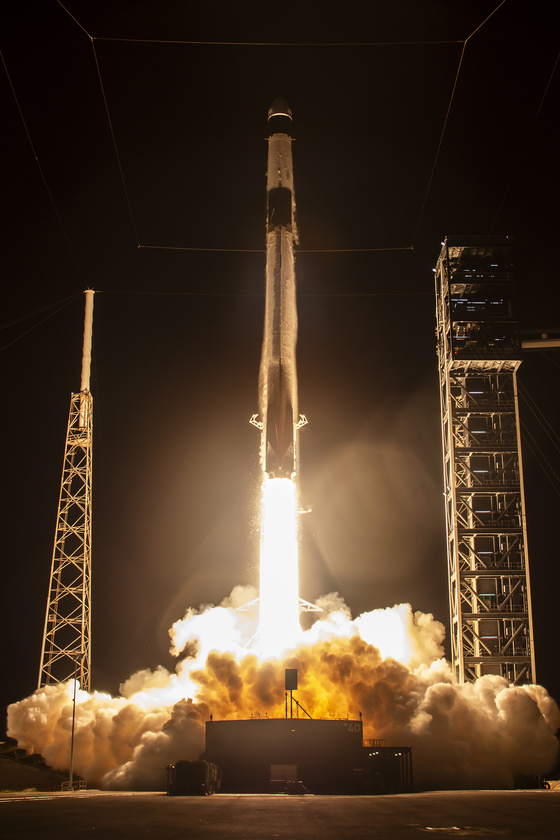
The conflict between Iran, Israel, and the United States escalated into its third day Monday, with widespread missile and airstrike attacks across the Middle East. The war began on Saturday, when the U.S. and Israel launched a large-scale military operation—dubbed “Operation Epic Fury”—targeting Iran’s military infrastructure, including the Islamic Revolutionary Guards Corps (IRGC) headquarters, naval bases, and missile facilities.
The strikes killed Iran’s Supreme Leader Ali Khamenei, along with senior military commanders, including Defense Minister Amir Nasirzadeh and Revolutionary Guards commander Mohammed Pakpour. The country’s leadership is now in the hands of a three-person council following the death of Supreme Leader Ayatollah Ali Khamenei.
The U.S. and Israel also targeted key sites outside Tehran, including the Shajarah Tayyebeh school in Minab, which was struck in a bombing that killed at least 175 children, according to Iranian health officials. This attack was condemned by UNESCO as a grave violation of humanitarian law.
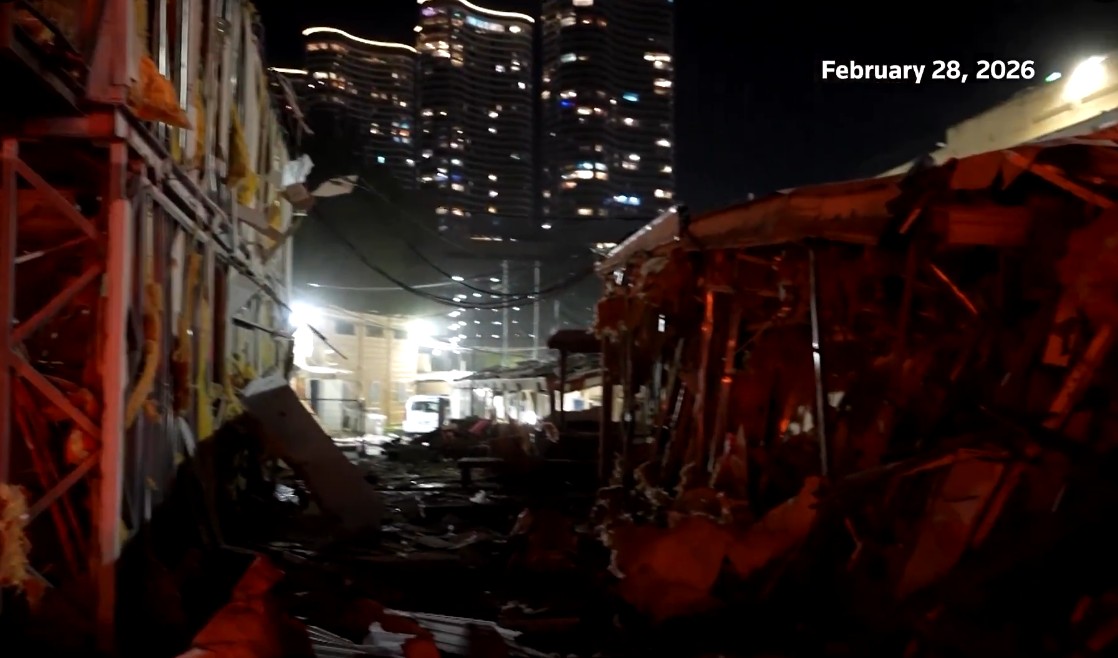
In retaliation, Iran launched waves of missiles and drones at Israel, Gulf states, and U.S. military installations. Beit Shemesh, an Israeli city near Jerusalem, was hit by an Iranian missile, killing nine people and injuring nearly 30—making it the deadliest incident in Israel since the conflict began.
Israeli air defenses intercepted most of the incoming threats, but some missiles breached the system. In response, Israel intensified its attacks, conducting strikes in Lebanon and targeting Hezbollah strongholds outside Beirut.
These strikes killed at least 31 people and wounded 149, according to Lebanon’s Health Ministry. Hezbollah claimed to have launched rockets and drones at Israeli military sites, marking its first major attack in over a year.
The war rapidly spread beyond Iran and Israel. U.S. military bases in Kuwait, Bahrain, Qatar, and the UAE came under attack, with Iranian drones and missiles targeting the U.S. Embassy in Kuwait, the U.S. Navy’s Fifth Fleet in Bahrain, and Al Udeid Air Base in Qatar.
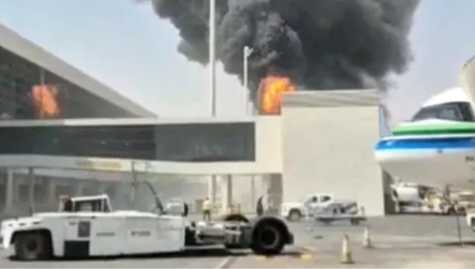
In Kuwait, a missile strike killed three U.S. service members, bringing the American death toll to six. A drone attack on Kuwait International Airport caused injuries, while a missile fragment killed one worker in Bahrain. The U.S. military confirmed that four U.S. troops were killed and five seriously wounded, with additional minor injuries reported.
Iran’s retaliation extended to energy infrastructure. A drone struck an oil tanker in the Gulf of Oman, killing one mariner, and Saudi Arabia’s Ras Tanura refinery was targeted by drones, though defenses intercepted them. QatarEnergy halted liquefied natural gas (LNG) production, sending European gas prices up 40%. The Strait of Hormuz, a vital oil transit route, saw shipping activity slow significantly. Qatar also confirmed it shot down two Iranian Su-24 bombers and intercepted seven ballistic missiles and five drones.
Global consequences are mounting. Air travel has been disrupted, with Emirates and Etihad restarting limited flights after grounding. Oil prices surged, and the U.S. pledged to mitigate energy market spikes. The UK, U.S., and other nations urged citizens to evacuate 14 countries in the region, including Israel, Iran, and Gulf states.
The UN Secretary-General called for de-escalation, warning of nuclear safety risks. U.S. President Donald Trump stated the campaign could last 4 to 5 weeks, vowing to avenge U.S. casualties and suggesting he would be open to dialogue with Iran’s new leadership. However, Iran’s top security official Ali Larijani declared on X: “We will not negotiate with the United States.”
The situation remains fluid, with Israel and the U.S. continuing to strike Tehran and Iran’s proxy networks, while Iran and its allies maintain a relentless campaign across the region.
During a press conference Monday with the Chairman of the Joint Chiefs of Staff Gen. Dan Caine, U.S. Secretary of War, Pete Hegseth said the operation is not a “regime change war” but aims to “destroy the missile threat, destroy the navy, no nukes,” emphasizing the U.S. has no intention of engaging in nation-building like in Iraq.
Caine described the strikes as a “long-term campaign” requiring months or years of planning, noting the operation is not a single, overnight event and that more U.S. losses are expected.
Trump told the press at the White House, that combat operations would continue “until all objectives are achieved,” warning it could go “far longer.” He cited the killing of U.S. service members as justification for enduring the conflict and claimed the strikes had “annihilated” Iran’s navy and were destroying its missile capabilities.
Israeli Prime Minister Benjamin Netanyahu on his part, confirmed Israel launched strikes in Lebanon in response to Hezbollah attacks, targeting command centers and weapons storage. He also emphasized the attacks on Iran was necessary to counter “imminent threat,” though he did not provide evidence of an imminent attack.
U.S. Secretary of State Marco Rubio told reporters on Capitol Hill, that the U.S. acted preemptively to prevent Iran from retaliating against U.S. forces after Israel’s planned military action. He said, “We weren’t going to sit there and absorb a blow before we responded,” and confirmed U.S. ground troops remain a possible option.
Rubio's comments outraged many conservatives, Trump's MAGA supporters and detractors online who slammed the administration for allowing Netayahu to drag the United States into a devastating war against Iran, which, they argue, is not in America's interest. The criticsms were harsh and bipartisan, with many accusing Israel destabilizing Middle East in pursuit of its messianic 'Greater Israel' project.
Popular U.S. journalist and commentator Tucker Carlson called the strikes "absolutely disgusting and evil" and said this war is happening "purely because Israel wanted it to be waged... Israel is the only reason" the US is involved.
Carlson reportedly met with Trump multiple times to urge restraint, warning of risks to US troops in Gulf allies like Qatar, Saudi Arabia, Kuwait and energy prices. He also revealed that Qatar and Saudi Arabia arrested Mossad agents who were planning to set off bombs in the Gulf states, actions aimed to incite chaos.
The conservative commentator argued it's not America's fight and will "shuffle the deck in a profound way" for Trump's movement.
================
President Donald Trump announced "major combat operations" in Iran early Saturday, launching "Operation Epic Fury"—a joint U.S.-Israel airstrike campaign targeting hundreds of military and political sites across Iran. The strikes, carried out by U.S. attack planes and Israeli forces, hit at least nine Iranian cities, including Tehran, Qom, Shiraz, and Chabahar.
Israel reportedly targeted around 500 locations, focusing on ballistic missile sites, air defense systems, and high-value regime assets, including a high-security compound housing Iran’s Supreme Leader Ali Khamenei, which showed extensive damage in satellite imagery, and unconfirmed reports and announcement by Trump that the supreme leader is dead. The 86-year-old has ruled Iran for 36 years. He died along with his wife, daughter-in-law and grandchild.
In retaliation, Iran launched waves of ballistic missiles and drones at Israel and U.S. military bases across the Middle East, in Operation True Promise 4. Targets included Al Udeid Air Base in Qatar, Al Salem Base in Kuwait, Al Dhafra Air Base in the UAE, and the U.S. Fifth Fleet base in Bahrain. Iran also attacked Jordan, Saudi Arabia, and the UAE, with debris from an Iranian missile killing at least one person in the UAE. The United Arab Emirates, Qatar, Bahrain, and Kuwait confirmed attacks, while Jordan reported a blast in its capital.
The U.S. and Israel struck Iran following a breakdown in last-ditch nuclear talks, months of escalating rhetoric amd intense lobbying of Trump administration by zealous Zionist activists and donors.
President Trump, in a video post on Truth Social, vowed to "destroy their missiles," "annihilate their navy," and "enable the overthrow of the regime,"urging Iranians to "take over your government." The U.S. Central Command confirmed that its forces successfully defended against hundreds of Iranian missile and drone attacks, with minimal damage to U.S. bases and no reported U.S. combat deaths.
Khamenei has reportedly put in place detailed plans for succession and emergency chains of command in the event of his death, elevating longtime loyalist Ali Larijani to manage the war and become the de facto leader of Iran.
The conflict has severely disrupted global energy markets. Shipping through the Strait of Hormuz—critical for one-fifth of the world’s oil—has been halted or rerouted, with the U.S. Maritime Administration advising vessels to avoid the region. Iran’s Revolutionary Guards declared the strait unsafe, and oil prices surged amid fears of prolonged supply disruptions.
Casualty reports from Iran are alarming. Iranian state media and the Red Crescent reported over 60 deaths in a strike on a girls’ elementary school in Minab, with Iran’s IRIB broadcaster citing about 150 dead and over 100 injured. The U.S. and Israel have not confirmed the school strike, but the attack has drawn international condemnation.
Regional tensions have escalated further. The Houthis in Yemen denounced the strikes and called for mass protests, while New York City Mayor Zohran Mamdani condemned the operation as a "catastrophic escalation in an illegal war of aggression." World leaders urged restraint, though Canada and Australia publicly backed the U.S.-Israel action.
Many conservatives on social media were outraged with many calling Trump a "traitor" for breaking his "no new wars" promise to voters during the 2024 presidential election campaign. Popular podcaster and Trump ally Tucker Carlson called the bombing of Iran "disgusting and evil."
Analysts warn the conflict risks spiraling into a protracted war with no clear exit. The Iranian military has vowed to continue retaliating until the U.S. and Israel are "definitively defeated," signaling sustained hostilities. The situation remains highly volatile as the region braces for further escalation.