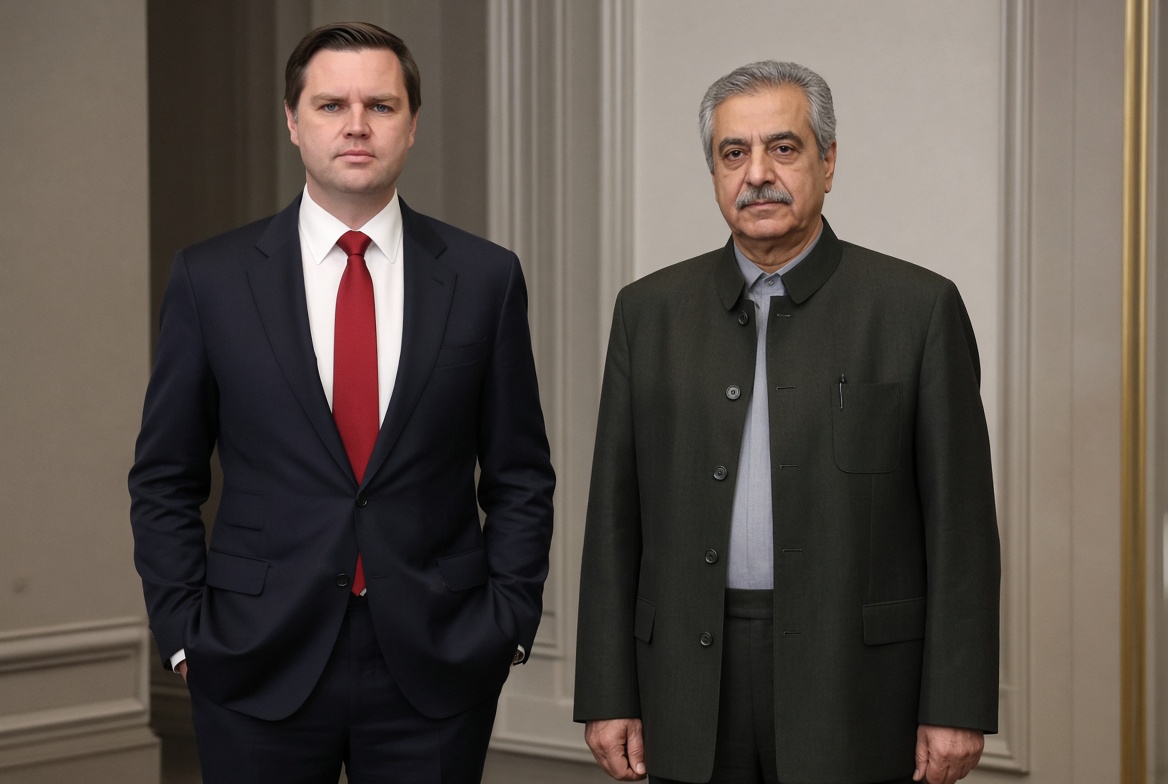
U.S. Vice President JD Vance reportedly sent a letter to secretary of Iran’s Supreme National Security Council and former Islamic Revolutionary Guard Corps commander, Mohsen Rezaei, recently, to assess whether Washington and Tehran could agree on a framework for negotiations. The move was reportedly made at the direction of President Donald Trump, who later publicly denied instructing Vance to initiate peace talks, characterizing the contact as an effort to deliver medical supplies.
Rezaei said last week that Tehran would not negotiate until its core demands—immediate economic relief, lifting of oil sanctions, and unfreezing of assets—are met.
The outreach occurs as Trump reportedly threatens a “short, intense” military campaign against Iran following the November 3, 2026, U.S. midterm elections. Vance aims to determine if diplomacy can avert this escalation, though no detailed peace proposal has yet been produced.
The cost of the U.S. military engagement with Iran has topped $47 billion. Rising domestic gas prices and economic costs associated with the conflict have become major points of political debate ahead of the U.S. midterm elections.
Qatar reprtedly presented a draft agreement in Tehran on Sunday, outlining a seven-day timeline for daily confidence-building steps by Washington and Tehran. Iran is reportedly considering the proposal, with a response expected by the end of the week.
Rezaei met on Monday, with security chiefs from Saudi Arabia, Pakistan, and Turkey in Tehran. This was described as a rare, high-level engagement aimed at de-escalating tensions in the region.
Engaging Rezaei, a hardliner and close ally of Supreme Leader Mojtaba Khamenei, risks sidelining traditional negotiators like Foreign Minister Abbas Araghchi and Parliament Speaker Mohammad Bagher Ghalibaf.
"While our Brave Armed Forces are fully prepared to defend the Homeland, Iran continues to give diplomacy a chance to succeed," Araghchi wrote Wednesday, on X. "We remain in close and ongoing contact with intermediaries to review ideas that can ensure implementation of our 7-Day Plan in even less than a week."
Regional mediators, including Qatar, are urging Iran to demonstrate “good faith” by reopening the Strait of Hormuz and stopping threats to neighboring countries, as part of a broader effort to establish a new regional security framework.