keneci Network
News • Comedy • Science & Tech
SpaceX To Deploy Space-optimized NVIDIA Vera Rubin NVL72 AI Satellite System Into Orbit: Elon Musk
August 25, 2026
post photo preview

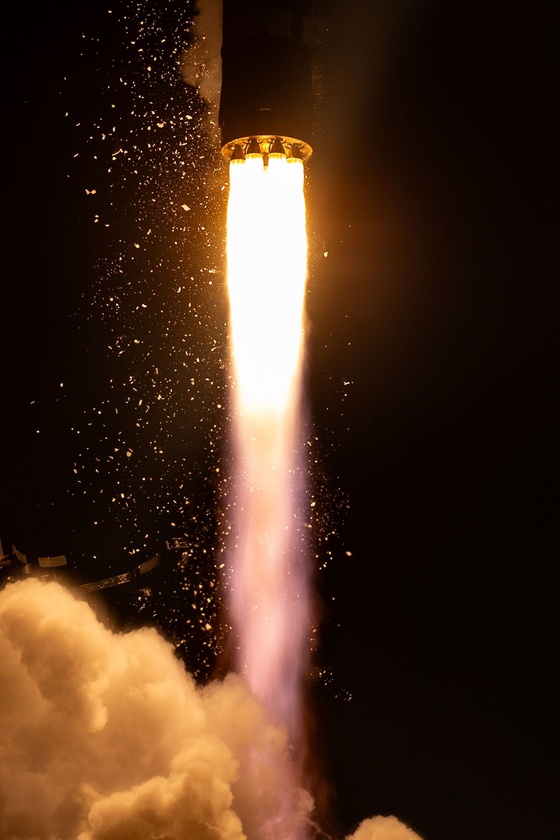
SpaceX and Nvidia have officially partnered to deploy a space-optimized Vera Rubin NVL72 system into orbit, with the first launch targeted for Q4 2027 and significant scaling planned for 2028.

Announced on Monday, this initiative marks the first attempt to place a full rack-scale AI training and inference node in space, extending Nvidia's terrestrial "AI factory" architecture to SpaceX's Starmind satellite constellation. CEO Elon Musk confirmed that the company will exclusively use Nvidia hardware going forward, citing the Vera Rubin architecture as the "best AI computer" available for both ground and orbital operations.

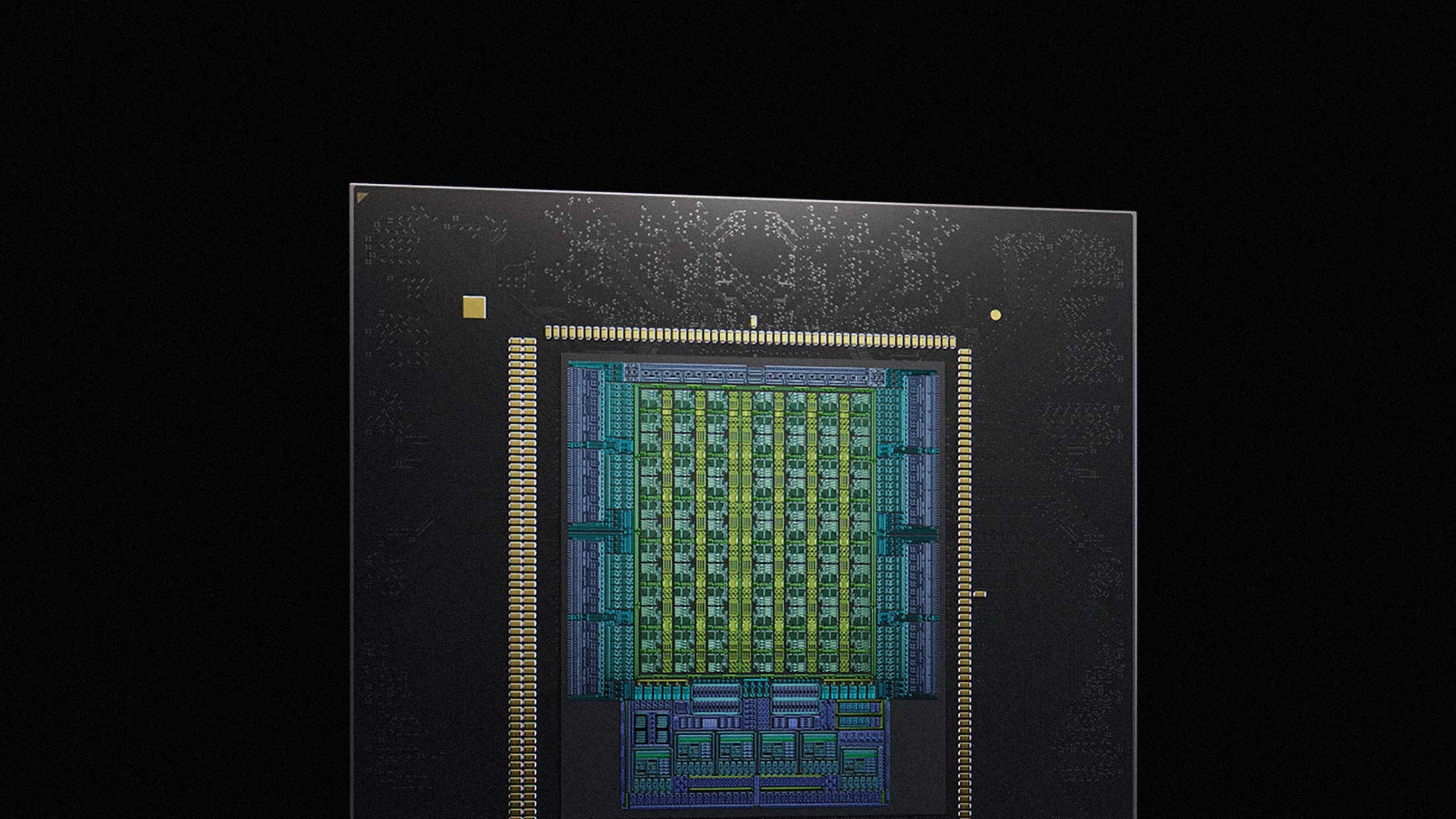
The orbital system leverages the Vera Rubin NVL72 platform, which integrates 72 Rubin GPUs and 36 Vera CPUs connected via NVLink 6 into a shared-memory fabric. The Vera CPU, described as the first processor built specifically for AI agents, features 88 custom Olympus cores and 1.2 TB/s of memory bandwidth, claimed to complete agent tasks 1.8 times faster than comparable x86 processors. This infrastructure is intended to power the next generation of Grok's agentic AI applications, handling complex orchestration, code execution, and data processing directly in orbit to keep GPUs fully utilized.

The system aims to deliver up to 25 times more AI compute per GPU than previous space-based solutions like the H100, enabling real-time processing for geospatial intelligence and autonomous operations without relying on ground stations.

The core of this project is the Starmind AI satellite, which will house the adapted Vera Rubin NVL72 rack. Unlike traditional racks, this space-optimized version is designed to be simpler, lower cost, denser, and lighter, addressing unique orbital constraints such as power draw, thermal dissipation, radiation hardening, and physical integration.

This partnership extends xAI's infrastructure strategy, powering the Grok AI model both on Earth and in space. "SpaceX, in partnership with Nvidia, has designed a space-optimized Vera Rubin NVL72 system for launch to orbit in Q4 next year, with significant scale in 2028," Musk said. He has also said in a past X post the design is simpler, lower cost, and denser than traditional racks, making it suitable for both terrestrial gigawatt-scale data centers and orbital deployment.

This move aims to bypass terrestrial constraints like grid interconnect timelines and cooling limits while creating a unified computing ecosystem across Earth and orbit.

"@SpaceX is deploying NVIDIA Vera to accelerate the orchestration, code execution, and data processing that powers its next generation of agentic AI — keeping GPUs fed and agents acting fast. From gigawatt AI factories to orbit. One NVIDIA architecture, everywhere" Nvidia wrote on X.

community logo
Join the keneci Network Community
To read more articles like this, sign up and join my community today
0
What else you may like…
Videos
Posts
Articles
SpaceX Starlink Internet Satellites

With Starlink internet, data is continuously being sent between a ground dish and a Starlink satellite orbiting 550km above. Furthermore, the Starlink satellite zooms across the sky at 27,000 km/hr! MORE VIDEOS ON KENECI NETWORK RUMBLE CHANNEL: https://rumble.com/c/Keneci

00:28:08
Elon Musk, DOGE Speak On Waste And Fraud

US Department of Government Efficiency Services (USDS) led by Elon Musk speak on the "mind-boggling" fraud and waste in UInited States federal government

00:00:45
January 17, 2025
SpaceX Launches Starship 7th Test Flight

SpaceX successfully executed its second-ever “chopsticks” catch of a Super Heavy booster (or Booster 14) using the “Mechazilla” launch tower on Thursday(Jan. 16), during the seventh uncrewed test flight of the company's 123-meter Starship rocket. However, the megarocket's upper stage(or Ship 33) was lost approximately 8.5 minutes into the flight in a “rapid unscheduled disassembly(RUD)” or explosion

00:10:30
Welcome to Keneci Network!

Join the conversations!

December 09, 2025
Bitcoin White Paper By Satoshi Nakamoto

Bitcoin white paper

Bitcoin_White_Paper.pdf
September 17, 2024
Charges Against Sean 'Diddy' Combs In Grand Jury Indictment

The rapper was charged with racketeering conspiracy, sex trafficking by force, fraud or coercion, and transportation to engage in prostitution in the indictment unsealed Tuesday(Sept. 17)

Combs-Indictment-24-Cr.-542.pdf
post photo preview
O3b mPOWER: SpaceX Falcon 9 700th Mission Launches 3 Telecom Satellites For SES

SpaceX Falcon 9 rocket launched at 1849 UTC, from Space Launch Complex 40 (SLC-40), Cape Canaveral Space Force Station Suinday (Sept. 13), carrying the Boeing-built final three satellites (O3b mPOWER 11, 12, and 13), to Medium Earth Orbit (MEO) for Luxembourg-based SES' O3b mPOWER constellation.

The Falcon 9 first-stage booster B1080, completed its 29th flight and landed on the droneship A Shortfall of Gravitas in the Atlantic Ocean a little less than nine minutes after liftoff.

The rocket's upper stage, meanwhile, continued hauling the O3b mPOWER trio to MEO. The satellites were deployed as scheduled, in a staggered 14-minute window starting roughly 33.5 minutes after launch, using onboard electric propulsion to reach their operational orbits at 8,000 kilometers.

The final satellites feature re-engineered power systems and software adjustments implemented after early power module anomalies were identified in the first four satellites launched in 2022 and 2023. The O3b mPOWER satellites weigh about 1,700 kilograms apiece. SpaceX has launched all of them, on six Falcon 9 launches beginning in December 2022.

Sunday's launch added the final three spacecraft to the constellation, bringing the total to 13 satellites in MEO. The O3b mPOWER network is designed to deliver low-latency, high-throughput broadband connectivity for government, enterprise, and maritime customers. The new satellites are expected to enter full commercial service by mid-2027.

The network is "purpose-built to deliver predictable low latency, exceptional throughput and unprecedented flexibility for industries where uptime isn’t optional," according to the company. "It transforms how networks operate by pairing advanced software defined satellites with an intelligent ground and software ecosystem — ensuring guaranteed performance, even as global bandwidth demands surge," the company wrote.

Sunday's launch was SpaceX's 107th orbital mission of the year. Falcon 9 has performed 105 of those flights, with Falcon Heavy conducting the other two. This also marks the 700th mission for the Falcon rocket family.

Read full Article
post photo preview
O3b mPOWER: SpaceX Falcon 9 700th Mission Launches 3 Telecom Satellites For SES

SpaceX Falcon 9 rocket launched at 1849 UTC, from Space Launch Complex 40 (SLC-40), Cape Canaveral Space Force Station Suinday (Sept. 13), carrying the Boeing-built final three satellites (O3b mPOWER 11, 12, and 13), to Medium Earth Orbit (MEO) for Luxembourg-based SES' O3b mPOWER constellation.

The Falcon 9 first-stage booster B1080, completed its 29th flight and landed on the droneship A Shortfall of Gravitas in the Atlantic Ocean a little less than nine minutes after liftoff.

The rocket's upper stage, meanwhile, continued hauling the O3b mPOWER trio to MEO. The satellites were deployed as scheduled, in a staggered 14-minute window starting roughly 33.5 minutes after launch, using onboard electric propulsion to reach their operational orbits at 8,000 kilometers.

The final satellites feature re-engineered power systems and software adjustments implemented after early power module anomalies were identified in the first four satellites launched in 2022 and 2023. The O3b mPOWER satellites weigh about 1,700 kilograms apiece. SpaceX has launched all of them, on six Falcon 9 launches beginning in December 2022.

Sunday's launch added the final three spacecraft to the constellation, bringing the total to 13 satellites in MEO. The O3b mPOWER network is designed to deliver low-latency, high-throughput broadband connectivity for government, enterprise, and maritime customers. The new satellites are expected to enter full commercial service by mid-2027.

The network is "purpose-built to deliver predictable low latency, exceptional throughput and unprecedented flexibility for industries where uptime isn’t optional," according to the company. "It transforms how networks operate by pairing advanced software defined satellites with an intelligent ground and software ecosystem — ensuring guaranteed performance, even as global bandwidth demands surge," the company wrote.

Sunday's launch was SpaceX's 107th orbital mission of the year. Falcon 9 has performed 105 of those flights, with Falcon Heavy conducting the other two. This also marks the 700th mission for the Falcon rocket family.

Read full Article
September 12, 2026
post photo preview
Houthis Seize Control Of Parts Of Yemen From Saudi-backed Forces, Trump Declines To Intervene

The Houthi (Ansar Allah) movement launched a "lightning offensive," seizing Yemen’s entire Red Sea coast over the weekend, including the strategic port of Mocha and Perim Island (Mayun) in the Bab al-Mandab Strait. This rapid advance collapsed Saudi-backed government forces, who were driven from six districts, and resulted in the capture of US-manufactured military vehicles and the UAE-built Mocha airport runway.

The Houthis took over Saudi-supported government coalition positions across Hays, Al-Khawkhah, Mokha, and Dhubab, claiming control of over 4,500 square miles. Their takeover of the Bab al-Mandab Strait, a vital artery for global energy shipping, has forced the suspension of Saudi Arabia’s crucial oil pipeline following drone attacks.

During the retreat of coalition and Saudi-backed local militias, Houthis overran multiple garrisons, seizing substantial quantities of military gear—including U.S.-supplied armored vehicles, artillery, and anti-tank systems left behind by withdrawing forces.

The UN and local reporting indicate nearly 50,000 civilians have fled the rapid advance, emptying towns along the Red Sea coast as fighting escalates.

The Houthis have explicitly threatened Saudi-linked vessels, causing oil tankers to reroute via the Suez Canal or Cape of Good Hope, while claiming navigation remains safe for non-Saudi international ships.

During a visit to Dublin, US President Donald Trump said on Saturday, that the Houthis contacted Washington to request no US military intervention, claiming they "do not want to fight with us," adding that the U.S. intends to let regional partners handle ground dynamics while providing intelligence and non-kinetic targeting support to Riyadh.

However, Saudi Crown Prince Mohammed bin Salman reportedly called Trump twice on Thursday, to request direct US airstrikes against the Houthis.

The Trump administration declined direct military action to avoid opening a new front while fighting Iran, offering instead intelligence and targeting support to Saudi Arabia, which has launched over 50 airstrikes in response.

U.S. officials reportedly cited a directive to keep American forces focused on broader regional postures, including monitoring Iran and the Strait of Hormuz, rather than reigniting full-scale kinetic operations in Yemen.

The Houthi offensive coincides with drone and missile strikes targeting oil pipelines and logistics hubs inside southern Saudi Arabia, forcing shutdowns of key transit lines.

By holding the Bab al-Mandab Strait, the Houthis hold immense leverage over global shipping and Red Sea commerce, placing pressure on both Gulf states and international trade markets. Yemen had experienced relative quiet following a 2022 truce, but skirmishes flared up few months ago, before exploding into this full-scale offensive.

Read full Article
See More
Available on mobile and TV devices
google store google store app store app store
google store google store app tv store app tv store amazon store amazon store roku store roku store
Powered by Locals