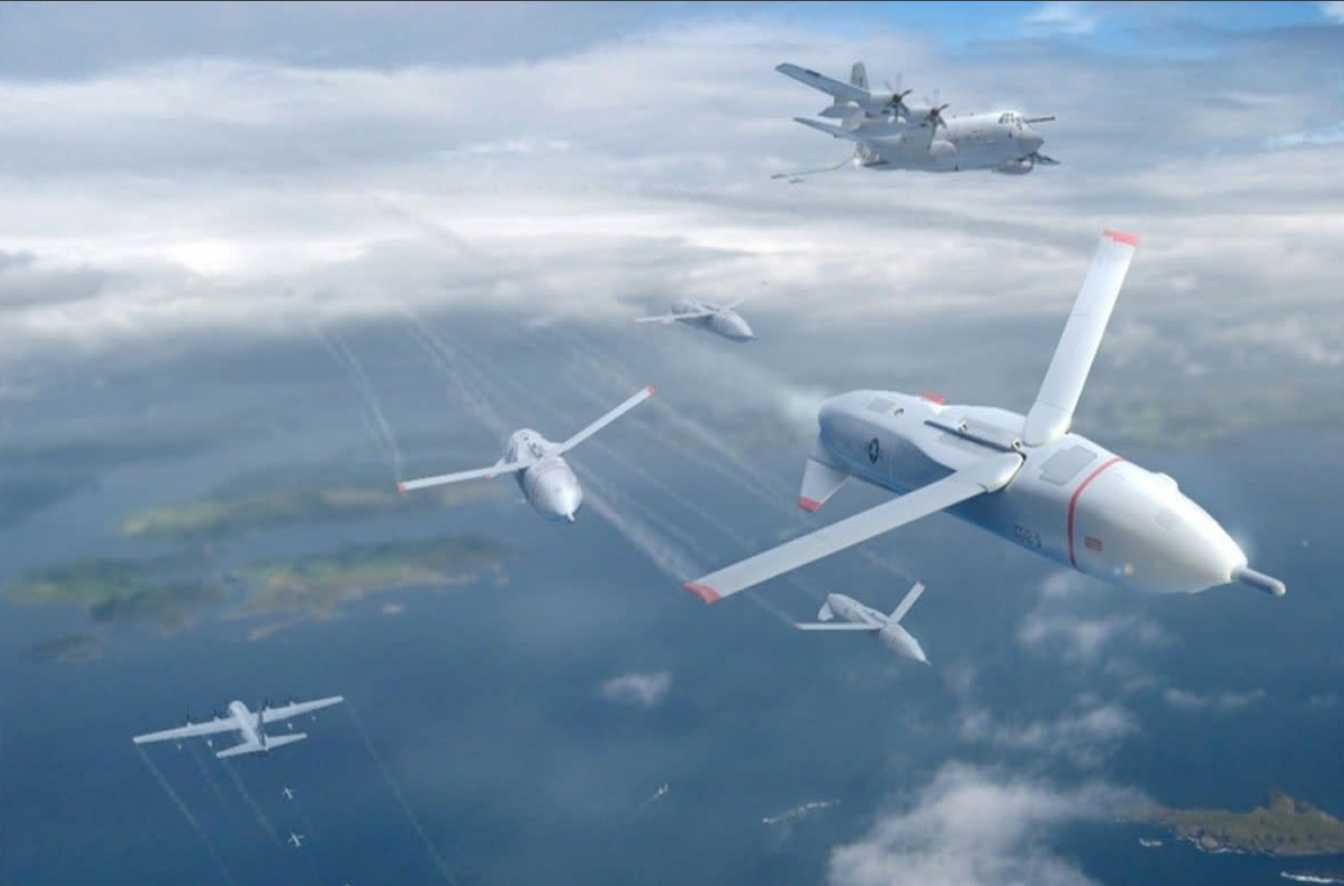
U.S. Central Command (CENTCOM) on Thursday announced the formation of Task Force Falcon Strike, described as the first-ever multi-domain, multinational attack drone task force in the Middle East. The unit is designed to integrate one-way attack drones operated by U.S. forces and regional partners across air, surface, and underwater domains.
The initiative follows months of intense conflict with Iran, which has strained U.S. drone stocks and necessitated a shift toward low-cost, expendable unmanned systems to maintain operational tempo. U.S. reportedly lost about 25% of its MQ-9 drones in the war so far, each about $33 million. Intercepting cheap, mass-produced Iranian drones with million-dollar surface-to-air missiles proved economically unsustainable.
Falcon Strike builds upon Task Force Scorpion Strike, established nine months prior as the military’s first dedicated one-way attack drone squadron.
Scorpion Strike achieved key milestones, including the first launch of an aerial attack drone from a U.S. Navy warship and the use of LUCAS (Low-Cost Unmanned Combat Attack System) drones during Operation Epic Fury and strikes on Iranian port facilities.
The U.S. deployed the LUCAS—a low-cost attack drone reverse-engineered from captured Iranian UAS platforms—launching it from Navy ships during Operation Epic Fury. In June 2026, CENTCOM deployed Saronic Corsair unmanned surface vessels (USVs) to recover stranded crew in the Strait of Hormuz. By July, Corsair maritime drones were used offensively to strike Iranian naval installations at Bandar Abbas.
Task Force Falcon Strike will be led by personnel from U.S. Special Operations Command Central (SOCCENT), which also oversaw the creation of Scorpion Strike. It is headquartered at MacDill Air Force Base in Tampa, Florida.
CENTCOM has begun consulting with and formally inviting regional partners to join. The goal is to scale attack drone capabilities into a unified multinational deterrent, allowing allies to contribute their own systems and innovate alongside U.S. forces, and shifting from ad-hoc experimentation into a formal, persistent strike architecture.
While specific participating nations have not been publicly named, the task force aims to create a cohesive regional network for unmanned warfare, responding to threats such as Iranian drone strikes on Gulf states, naval and missile threats along key transit routes like the Strait of Hormuz.