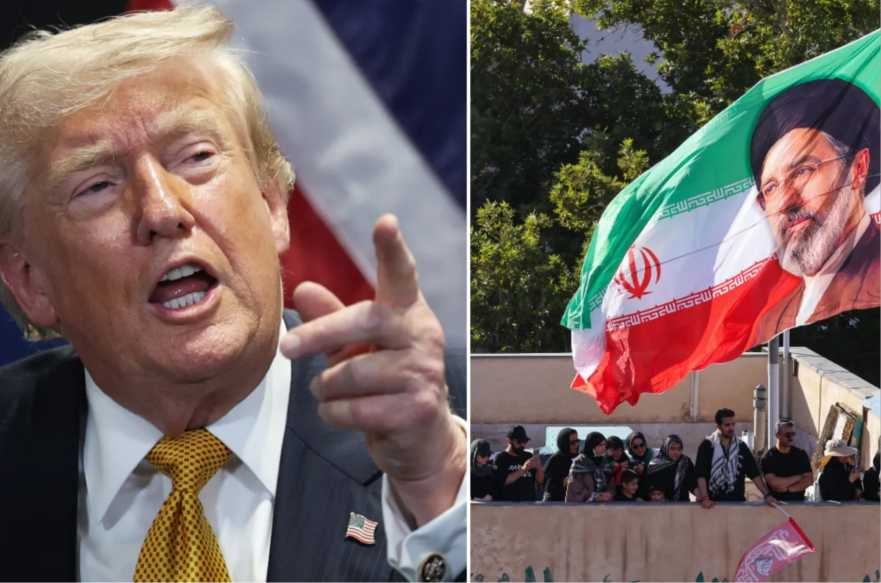
Iran's new Supreme Leader Mojtaba Khamenei has vowed inevitable revenge for the assassination of his father, Ali Khamenei, and family members in US-Israeli strikes, declaring retaliation a national demand that will occur "soon" regardless of his own survival.
In a written statement released on Saturday, following the conclusion of week-long funeral ceremonies in Mashhad, Mojtaba promised that the "criminal and disgraced killers," whose names are documented, would not die peacefully. The new leader, who has not appeared publicly since sustaining injuries in the February 28 attacks, emphasized that vengeance is a "divine mission" for the Iranian nation.
“Revenge for Iran’s martyred leader is the will of our people, and it must certainly be carried out," Mojtaba wrote. "These criminals, all of whom are fully identified, from the most senior to the most junior, will take to their graves the dream of dying peacefully in their beds.”
President Donald Trump responded with an explicit threat on Truth Social, stating that 1,000 missiles are "locked and loaded" and aimed at Iran, with thousands more ready to follow if Tehran attempts to assassinate him. Trump ordered the US military to be prepared to "completely decimate and destroy all areas of Iran" for a one-year period should any attack on his life occur, citing intelligence regarding hardline factions' aspirations.
While US officials noted no evidence of a unified, specific assassination plot currently in motion, the exchange of threats has severely strained relations just weeks after a temporary peace memorandum was signed.
Meanwhile diplomatic talks in Oman regarding the Strait of Hormuz concluded without an agreement, as Iran rejected proposals for separate navigation routes and refused US demands to surrender its enriched uranium stockpile.
Iranian Foreign Minister Abbas Araghchi accused Washington of violating the interim deal by revoking oil waivers following Iranian attacks on commercial vessels, while the US insisted the ceasefire is effectively "over" due to these maritime hostilities.
With Iran maintaining that control of the strategic waterway rests exclusively with Tehran, the failure of these negotiations raises the risk of further military escalation in the Persian Gulf.