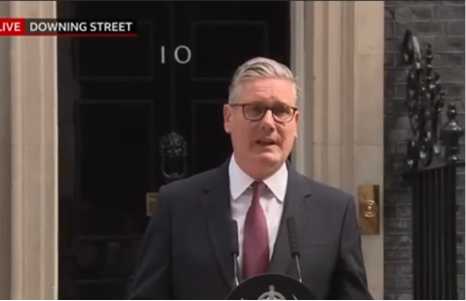
British Prime Minister announced his resignation on Monday, marking the departure of the sixth UK leader in a decade. Keir Starmer said in an address at Number 10, that he will serve as caretaker prime minister until the Labour Party selects a successor, with the new leader expected to be in place by September 1.
The leadership contest officially begins with nominations opening on July 9, following his formal resignation on July 9.
The resignation was triggered by intense internal party pressure and plummeting approval ratings, exacerbated by Andy Burnham’s recent victory in the Makerfield by-election. Burnham, the former mayor of Greater Manchester, was sworn in as an member of parliament (MP) on Monday and confirmed he will seek the Labour leadership, making him the runaway favorite to succeed Starmer.
Former Health Secretary Wes Streeting, a potential rival, threw his support behind Burnham, suggesting an uncontested leadership transition could occur as early as late July.
Starmer’s two-year tenure, which began with a 2024 landslide victory, was marred by economic stagnation, public service struggles, and scandals, including the Peter Mandelson affair. While he received praise for his international diplomacy regarding Ukraine and the Iran conflict, domestic dissatisfaction led to significant losses in local elections and cabinet resignations. The outgoing prime minister cited the parliamentary party’s view that he was not the best person to lead into the next general election, accepting the result with "good grace."