President Donald Trump announced in a Truth Social post Monday, that he was postponing a scheduled military strike on Iran set for Tuesday (May 19), at the request of the leaders of Qatar, Saudi Arabia, and the United Arab Emirates.
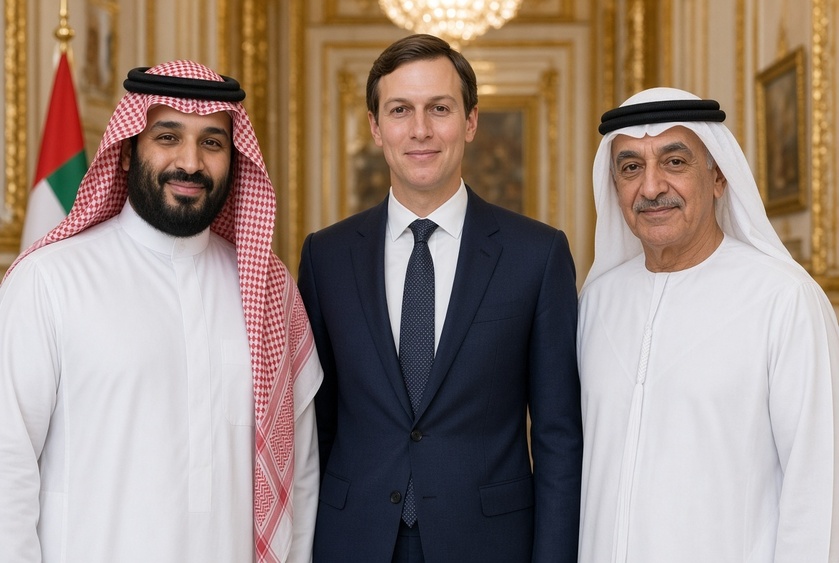
The leaders—Emir of Qatar Sheikh Tamim bin Hamad Al Thani, Saudi Crown Prince Mohammed bin Salman, and UAE President Mohamed bin Zayed Al Nahyan—urged Trump to delay the attack, citing ongoing "serious negotiations" that could lead to an acceptable deal ensuring "NO NUCLEAR WEAPONS FOR IRAN."
Trump stated he respected these Gulf allies and, based on their assurances, instructed U.S. defense officials—including War Secretary Pete Hegseth and Joint Chiefs Chairman General Daniel Caine—not to proceed with the strike. However, he emphasized that the U.S. military remains on high alert and "prepared to go forward with a full, large-scale assault on Iran, on a moment’s notice" if the negotiations fail.
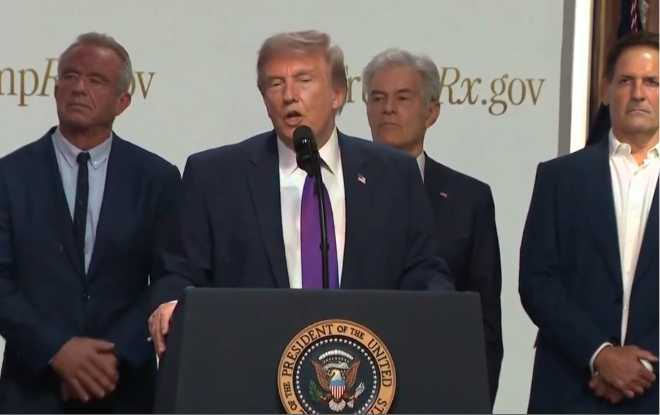
During a healthcare affordability event at the White House Monday, Trump told reporters that the proposed deal would ensure "NO NUCLEAR WEAPONS FOR IRAN" and that the Gulf leaders feared retaliatory attacks on their energy infrastructure. He emphasized that while the attack was called off, the U.S. military remained on high alert, ready to launch a "full, large-scale assault on a moment’s notice" if negotiations failed.
The decision follows heightened U.S.-Iran tensions over Iran’s nuclear program amid ongoing peace talks, with Iran having recently submitted a revised peace proposal through Pakistani mediators—reportedly deemed insufficient by U.S. officials.
This marked the latest in a series of unenforced deadlines, with previous pauses tied to talks mediated by Pakistan. The U.S. had been pressing Iran to reopen the Strait of Hormuz and surrender its enriched uranium stockpile, while rising fuel prices at home added pressure on the Trump administration.
"Dialogue does not mean surrender," Iran's President Masoud Pezeshkian wrote on X Monday. "The Islamic Republic of Iran enters into dialogue with dignity, authority, and the preservation of the nation's rights, and under no circumstances will it retreat from the legal rights of the people and the country. We will serve the people with logic and with all our might, to the end, and safeguard the interests and honor of Iran."
Trump had previously warned Iran that "the clock is ticking" and that talks could resume "through bombs" if no deal is reached.
Iran has retained and adapted its air defense capabilities despite extensive U.S. and Israeli strikes during Operation Epic Fury, with reports indicating that Tehran has dug up and reconstituted damaged missile sites and shot down several U.S. aircraft, challenging claims of total U.S. air dominance. Critics say this development may have informed Trump's unwillingness to restart U.S. bombinbg campaign.
Iranian forces used mobile and concealed air defense systems, including MANPADS (man-portable air-defense systems) and truck-mounted launchers, to target low-flying U.S. aircraft.
Although U.S. officials initially claimed Iran’s air defenses were "decimated," the shootdown of an F-15E Strike Eagle and an A-10 Warthog in early April 2026 revealed that Iran retained operational capabilities. Experts suggest Iran likely used shoulder-fired Verba missiles—possibly supplied early by Russia—or older systems hidden in bunkers and tunnels. Iran’s doctrine of dispersal, concealment, and independent operation allowed these systems to survive and engage U.S. aircraft effectively.
Despite U.S. efforts to destroy Iran’s underground missile facilities using bunker-busting munitions, up to 90% of these sites remained active or were rapidly restored. U.S. intelligence assessments from May 2026 revealed that Iran had regained access to most of its missile launchers and storage facilities, which had been buried or sealed under debris.
Satellite imagery and intelligence sources confirmed Iran was clearing debris at missile base entrances and exploiting ceasefire periods to rebuild its missile and drone capabilities, aided by foreign components reportedly from China and North Korea. The Pentagon had opted to seal rather than fully destroy many sites to conserve limited bunker-buster stocks for potential conflicts with China or North Korea, contributing to Iran’s ability to recover.