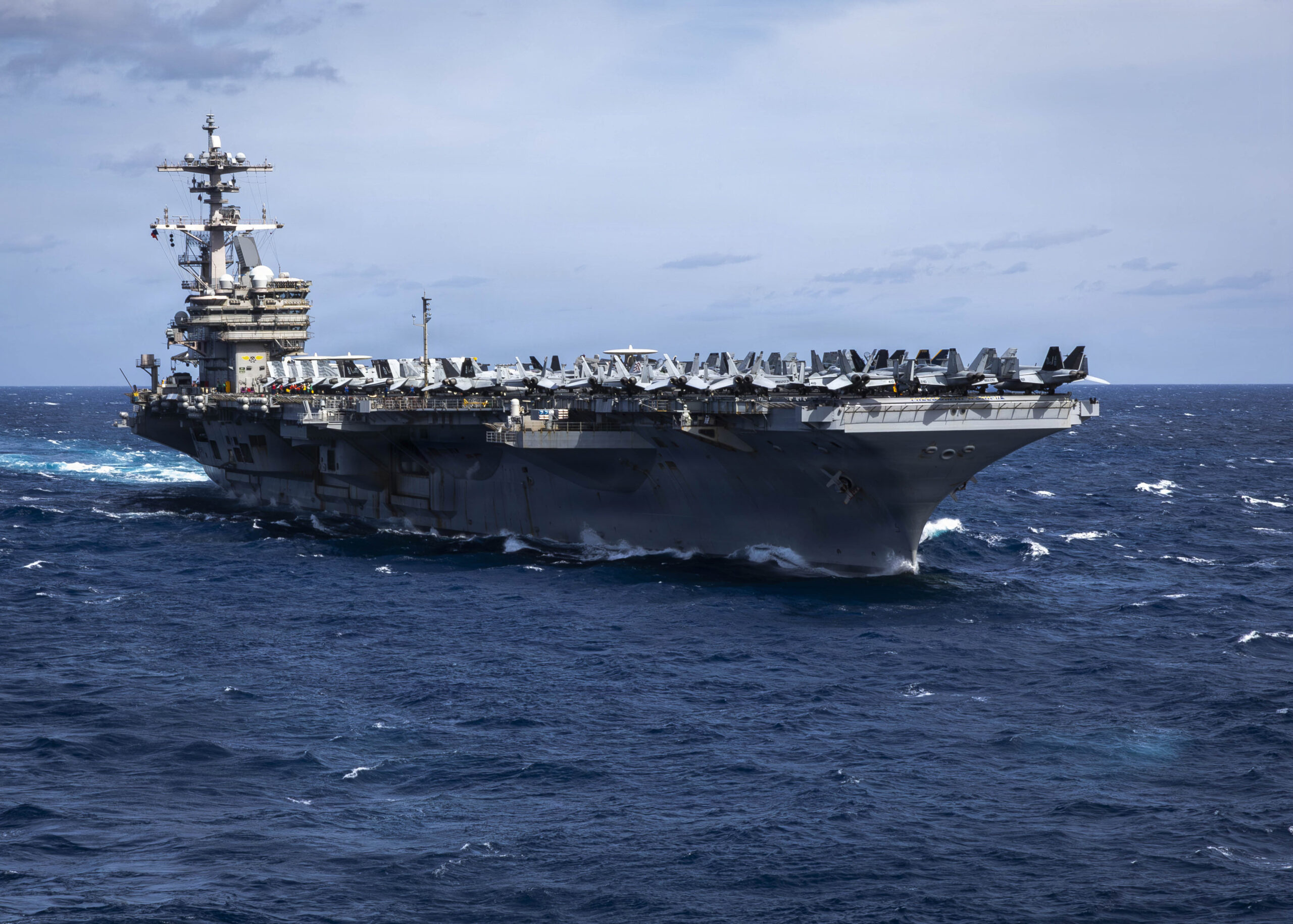
The U.S. Central Command (CENTCOM) began enforcing a naval blockade of all maritime traffic entering or departing Iranian ports and coastal areas on April 13, 2026, at 14:00 UTC, following the collapse of U.S.-Iran peace talks in Islamabad. The blockade, which applies "impartially against vessels of all nations," targets Iranian ports on the Arabian Gulf and Gulf of Oman but excludes ships transiting the Strait of Hormuz to and from non-Iranian ports, preserving regional oil flows not linked to Iran.
CENTCOM issued formal notices to commercial mariners ahead of the blockade, outlining enforcement procedures. The move aims to pressure Iran to abandon its nuclear ambitions and reopen the Strait of Hormuz, which Tehran had effectively restricted to U.S. and Israeli allies since the war began on February 28.
President Donald Trump initially declared a full blockade of the Strait on social media, accusing Iran of "world extortion" for demanding tolls and citing mine threats, but the military’s implementation was more targeted.
Iran’s Islamic Revolutionary Guard Corps (IRGC) Naval Forces issued a statement warning that any military vessels approaching the Strait of Hormuz would be considered in violation of the two-week ceasefire and "dealt with severely."
Iranian officials, including Foreign Minister Abbas Araghchi and parliamentary speaker Mohammad Bagher Ghalibaf, claimed the Islamabad talks were close to a deal but collapsed due to U.S. "maximalism" and shifting demands. The U.S. and Iran agreed to a 2-week ceasefire last Tuesday.
Meanwhile, Israeli airstrikes continued in southern Lebanon, violating the ceasefire framework and complicating diplomatic efforts, as backchannel negotiations between Iran and the U.S. reportedly continue despite public hostilities.