SpaceX reported $14.58 billion in Q3 2026 revenue, a 161% year-over-year increase that significantly beat Wall Street estimates of approximately $12.7 billion. The company achieved its first-ever profitable quarter with $4.4 billion in net income and $0.35 in adjusted EPS, driven primarily by explosive growth in its Artificial Intelligence segment, which saw revenue surge 830% to $7.6 billion.
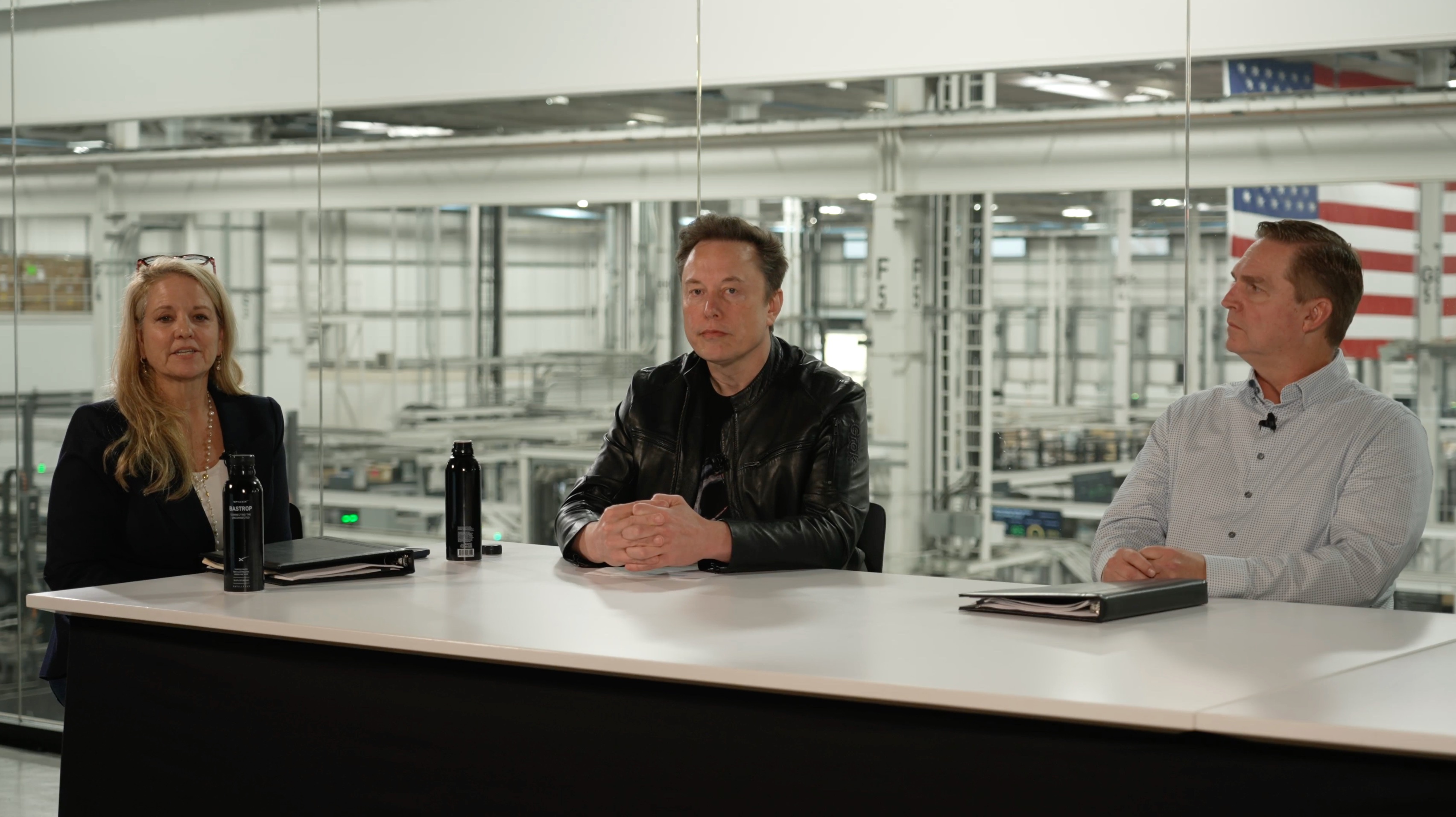
During the livestreamed Q3 2026 earnings call, CEO Elon Musk, President Gwynne Shotwell and CFO Bret Johnsen discussed Starlink mobile, Starship, AI data center buildout and possible SpaceX-Tesla merger.
Musk said that forming a merger with Tesla would be a "good idea" and confirmed that special committees of independent directors have been established at both companies to discuss the tie-up. He cautioned that the merger is not a certainty and noted the high hurdle of requiring a 50% vote of all Tesla shares.
"I do think there’s a lot of merit to combining the companies as we are pretty much in the superintelligence singularity, and there’s a lot to be gained from cooperating,” Musk said, referring to the development of software, chips and more.
“Do I think it would be a good idea? Yes,” Musk said. “But at the end of the day, the shareholders have to be supportive of this.”
Musk said that on the Tesla side, “we will need a 50% vote of all shares -- not just those who vote -- but of all shareholders, and that’s quite a high hurdle.”
The Connectivity segment reported $5.2 billion in revenue with 13.6 million consumer subscribers. Starlink Mobile surpassed 22 million monthly users, with new carrier partnerships activated in countries such as Uganda, the Democratic Republic of Congo, and Costa Rica.
Musk highlighted relentless demand from hyperscalers for SpaceX data centers, citing investments in the Colossus infrastructure and AI offerings like Grok. The AI segment's rapid growth is attributed to cloud services, the acquisition of Cursor, and increased enterprise adoption of Grok. He also said on that SpaceX aims to reach “volume production” of AI chips, now in development with partners Tesla and Intel, during the third quarter of 2028 at the Terafab factory that’s planned in Texas.
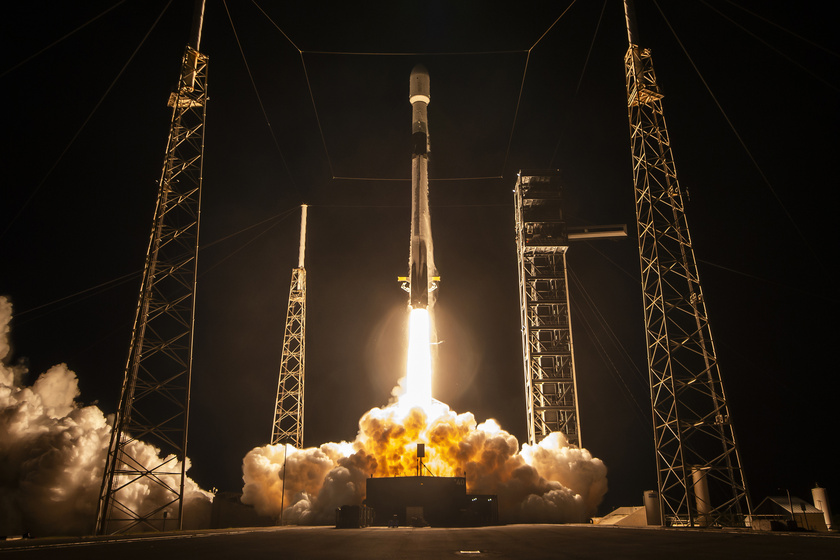
SpaceX successfully launched its first revenue-generating Starship mission, deploying 26 Starlink V3 satellites. Musk emphasized the goal of fully recovering the orbital launch vehicle and targeting a crucial orbital refueling demonstration for early 2027.
Johnsen forecasted Q1 2027 revenue between $33 billion and $37 billion, while Musk projected annual recurring revenue could reach $500 billion to $1 trillion by the end of 2027. Capital expenditures came in at $19.59 billion, slightly above estimates but lower than anticipated given the scale of AI investments.
This was SpaceX’s second-ever public earnings report following its June 2026 IPO. The company’s valuation sits at approximately $2 trillion, while Tesla is valued at roughly $1.5 trillion. The shift to profitability marks a significant transition for the spaceflight giant, with its AI and satellite communications units now outpacing its traditional launch services in revenue contribution.