The U.S. carried out strikes on Iranian military facilities on Qeshm Island and in Bandar Abbas (not Minab) after Iran attacked three U.S. Navy destroyers transiting the Strait of Hormuz, in an escalation that occurred amid a fragile ceasefire.
President Donald Trump said on Truth Social that three U.S. destroyers—USS Truxtun, USS Rafael Peralta, and USS Mason—successfully transited the Strait of Hormuz under fire from Iranian forces, sustaining no damage. He claimed the Iranian attack, involving missiles, drones, and small boats, was repelled with "great damage" inflicted on the attackers, stating the boats were "completely destroyed" and drones were "incinerated" mid-air, likening their fall to "a butterfly dropping to its grave."
Trump reiterated that Iran is led by "LUNATICS" and warned of far more violent U.S. retaliation if a deal is not signed "FAST."
Iran launched missiles, drones, and small boats at the USS Truxtun, USS Rafael Peralta, and USS Mason, but U.S. forces intercepted the threats and suffered no damage, according to U.S. Central Command (CENTCOM). In response, the U.S. struck Iranian military targets, including missile and drone launch sites, command centers, and surveillance facilities, with reports that the strikes hit Qeshm port and Bandar Abbas based on a senior U.S. official.
Trump described the U.S. retaliation as a “love tap” in call to reporters, and affirmed the ceasefire remained in effect, while warning Iran of harsher consequences if a deal was not reached quickly.
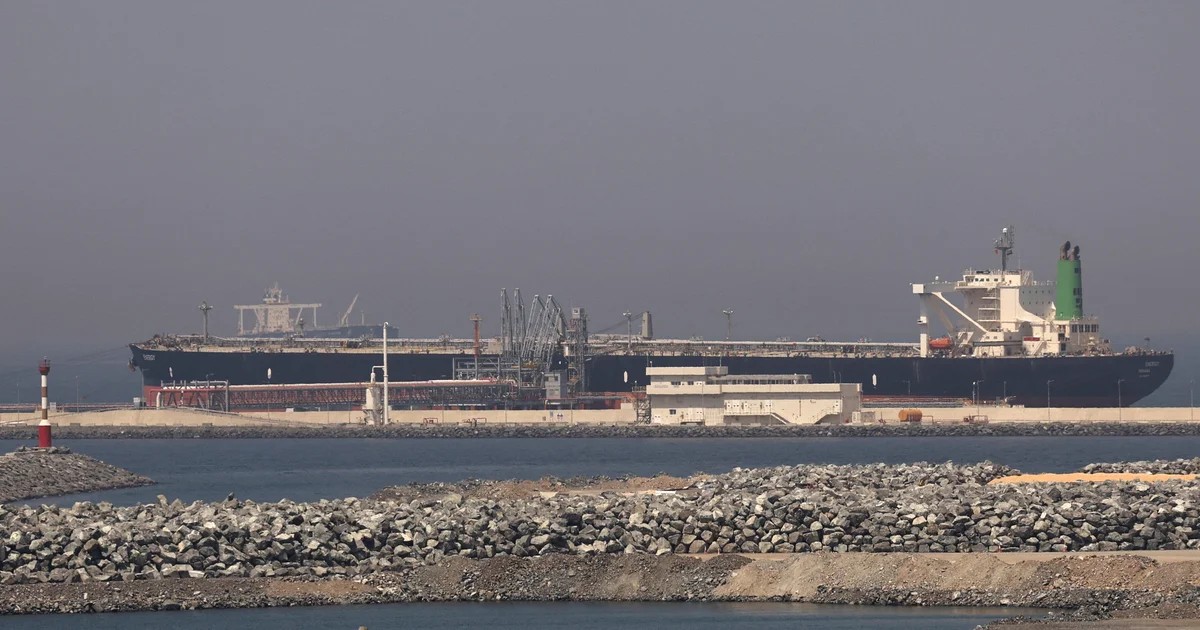
The exchange followed Iran’s earlier attack on Fujairah Port in the UAE, when it fired 12–15 ballistic and cruise missiles two days prior, which the Pentagon downplayed as not violating the ceasefire. This reportedly angered Saudi Arabia and Kuwait, who suspended U.S. access to their airspace and military bases, halting "Project Freedom"—a U.S. operation to escort commercial ships through the Strait of Hormuz. The restrictions were later lifted after diplomatic talks, including a call between President Trump and Saudi Crown Prince Mohammed bin Salman.
Iranian state and IRGC-affiliated media reported explosions on Qeshm, air defense activations in Tehran, and confrontations at sea, but the U.S. maintained the response was limited self-defense and not a resumption of war. The incident cast doubt on ongoing negotiations for a one-page memorandum to end hostilities, with key issues like Iran’s nuclear program still unresolved.
Iran accused the U.S. of violating the ceasefire by attacking an Iranian oil tanker near Jask and conducting air assaults on coastal areas including Qeshm, Sirik, and Bandar Khamir, claiming its forces retaliated and caused "significant damage" to U.S. vessels.
Despite the exchange, Trump and U.S. officials maintained that the ceasefire announced on April 7 remains in effect, describing the U.S. response as a "love tap."
Mediated talks are ongoing, with the U.S. demanding Iran dismantle key nuclear infrastructure, while Iran proposes diluting enriched uranium and a 10–15 year enrichment pause. The U.S. has reportedly submitted a one page proposal to Iran via the Pakistani mediators, to end the war and the U.S and Iranian blockades of the Strait of Hormuz.