Iranian Foreign Minister Abbas Araghchi announced the Strait of Hormuz is "completely open" for commercial vessels for the remainder of a two-week ceasefire*, specifying that passage must follow a coordinated route previously designated by Iran’s Ports and Maritime Organization, which includes navigational corridors around Larak Island and avoids a central "dangerous area" potentially containing sea mines.
"In line with the ceasefire in Lebanon, the passage for all commercial vessels through Strait of Hormuz is declared completely open for the remaining period of ceasefire, on the coordinated route as already announced by Ports and Maritime Organization of the Islamic Rep. of Iran," Araghchi wrote on X. He framed the reopening as conditional on the ceasefire with the U.S. and Israel, particularly citing the truce in Lebanon.
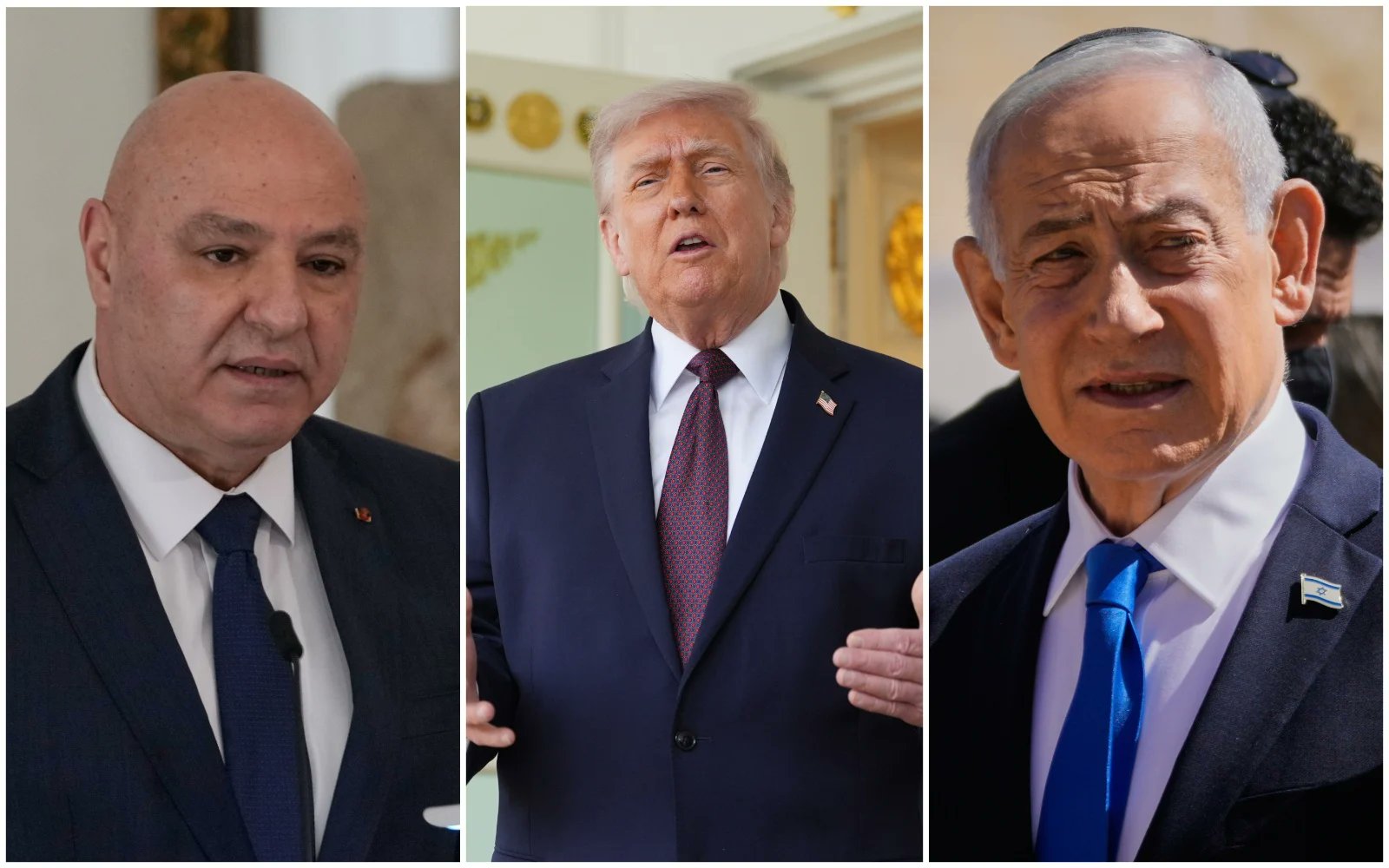
President Donald Trump confirmed the strait is "COMPLETELY OPEN AND READY FOR BUSINESS," but stressed the U.S. naval blockade on Iranian ports "will remain in full force" until a comprehensive deal—especially on Iran’s nuclear program—is finalized, clarifying that the reopening is not tied to the Israel-Lebanon ceasefire.
Trump thanked Pakistan for mediation efforts and expressed gratitude to Saudi Arabia, the UAE, and Qatar for their "bravery and help," while dismissing NATO as a "Paper Tiger" and telling them to "stay away." He also declared Israel is "PROHIBITED" from bombing Lebanon, a restriction the State Department clarified applies only to offensive actions, not self-defense.
Parliament Speaker Mohammad Bagher Ghalibaf supported the move, emphasizing Iran’s sovereignty over the strait and warning against foreign military presence.
"1- The President of the United States made seven claims in one hour, all seven of which were false, " Ghalibaf wrote on X. "2- They did not win the war with these lies, and they will certainly not get anywhere in negotiations either. 3- With the continuation of the blockade, the Strait of Hormuz will not remain open. 4- Passage through the Strait of Hormuz will be conducted based on the 'designated route' and with 'Iranian authorization.' 5- Whether the Strait is open or closed and the regulations governing it will be determined by the field, not by social media. 6- Media warfare and engineering public opinion are an important part of war, and the Iranian nation is not affected by these tricks. Read the real and accurate news of the negotiations in the recent interview of the Foreign Ministry spokesman."
The reopening followed a 10-day ceasefire between Israel and Lebanon, brokered by the U.S., which Iran insists must include Hezbollah.
Iranian state media and semiofficial outlets like Fars and Mehr criticized Araghchi’s announcement, demanding clarification and suggesting it gave Trump undeserved credit.
Oil prices dropped over 10% on the news, with Brent crude falling below $90 a barrel, signaling market relief over resumed energy flows.
U.S.-Iran talks are expected to resume soon, possibly in Pakistan, aiming for a deal that includes removal of Iranian nuclear material and mine clearance in the strait.
UN and European leaders, including Germany’s Friedrich Merz, called for unconditional, unrestricted access in line with international maritime law, and announced plans for a multinational security mission post-ceasefire.