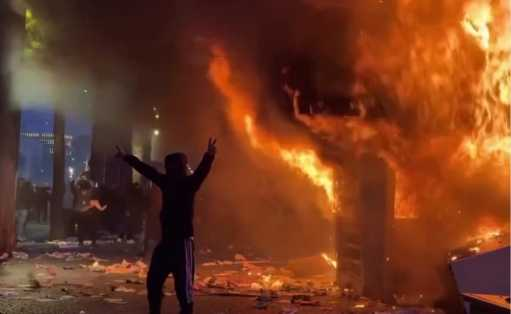
Iran and the U.S.-Israel alliance continue exchanging missile and drone strikes, with Iran launching fresh waves of missiles at Israel as the war enters its 24th day, targeting areas including Tel Aviv and Dimona—home to a nuclear facility. The Israeli military reported intercepting most projectiles, though debris damaged homes in northern Israel, with no casualties confirmed.
President Donald Trump has postponed a threat to bomb Iran’s power grid for five days, citing progress in backchannel talks, which briefly calmed global markets. However, skeptics believe this is a tactical pause. The Pentagon is expected to deploy about 3,000 paratroopers from the 82nd Airborne Division to the Middle East within hours—forces capable of rapid action, possibly to seize Kharg Island, Iran’s main oil export hub.
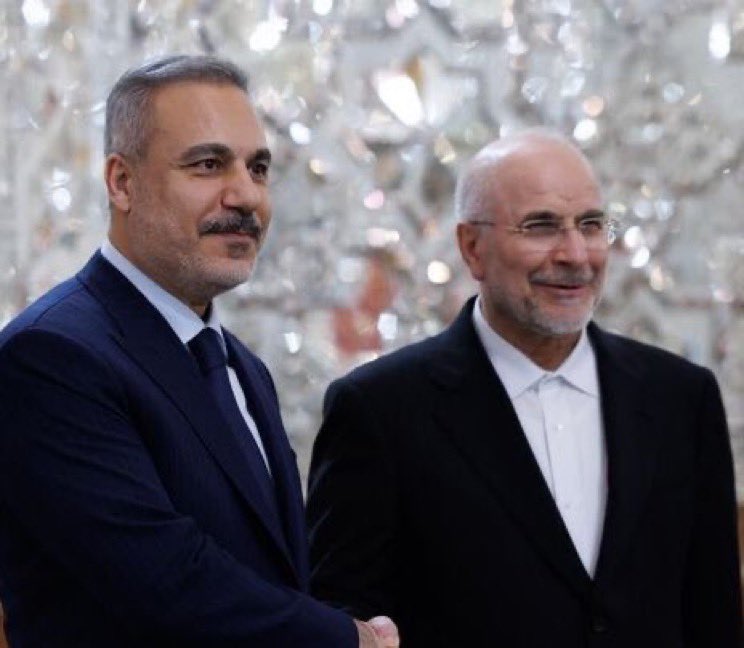
Iran denies any negotiations with the U.S., directly rejecting Trump’s claim of “very good and productive” talks aimed at ending hostilities. Mohammad Bagher Ghalibaf, Iran’s parliament speaker, dismissed Trump’s statements as “fake news” designed to manipulate financial and oil markets.
Iranian officials assert no formal diplomacy has occurred, despite Trump’s announcement that envoys Steve Witkoff and Jared Kushner had held discussions with a senior Iranian figure—speculated to be Ghalibaf.
Trump on Tuesday in the Oval Office, told reporters the U.S. has won the war and claimed "They gave us a present… a very big present… worth a tremendous amount of money… a very significant prize.” He indicated the “gift” is tied to oil and gas, linked to developments around the Strait of Hormuz, and said talks are ongoing with senior U.S. officials involved.
Iran has set a condition for talks: it will only negotiate if Vice President JD Vance leads the U.S. delegation. Multiple sources, including Gulf and European officials, confirm Tehran refuses to engage with Witkoff and Kushner, whom Iranian leaders accuse of “stabbing them in the back” by participating in negotiations while the U.S. allegedly planned military action. Vance, seen as skeptical of military escalation, is viewed in Iran as a more credible interlocutor.
Pakistan is emerging as a potential mediator, with plans for possible talks in Islamabad involving U.S. and Iranian officials.
Meanwhile, Iran maintains its blockade of the Strait of Hormuz, demanding an end to U.S. and Israeli attacks before reopening the critical waterway. Over 2,000 people have been killed since the conflict began on February 28, 2026, with both sides intensifying military operations amid fragile and conflicting signals about diplomacy.