keneci Network
News • Comedy • Science & Tech
Grokipedia: Elon Musk's xAI Launches Open-source Encyclopedia, Challenging Wikipedia's Left-wing Bias
October 28, 2025
post photo preview

Elon Musk’s xAI has launched Grokipedia, a fully open-source, AI-powered encyclopedia built on the Grok chatbot, aiming to provide a "truth-seeking" alternative to Wikipedia. The platform went live on Monday, with version 0.1 currently containing over 900,000 articles, and Musk has declared it "better than Wikipedia" even in its initial form.

The launch was announced via a post on X, where Musk emphasized the platform’s open-source nature and its mission to deliver "the whole truth and nothing but the truth."

Grokipedia generates and updates articles automatically using xAI’s Grok AI model, eliminating the need for human volunteer editors. The platform features a modern interface with a search bar, article history, and a "last fact check" timestamp to ensure accuracy. Users can highlight text and submit corrections via an "It’s Wrong" feature, though full user editing is currently limited. The system synthesizes knowledge from diverse sources, prioritizing truth-seeking and Community Notes-style consensus-driven editing.

Musk said that Grokipedia is "fully open source, so anyone can use it for anything at no cost." He claimed the version 0.1 launch is already better than Wikipedia and promised that version 1.0 will be "10x better." He also shared a vision of preserving the knowledge base by etching it into stable oxide on the Moon and Mars.

The xAI owner has long criticized Wikipedia for what he perceives as ideological or "left-wing" bias, even referring to it as "Wokipedia" and "Dickipedia."

Wikipedia co-founder, Larry Sanger, praised Grokipedia. Sanger, along with Musk, has previously accused Wikipedia of being "hopelessly biased" by left-wing activists and "woke ideology." The Wikimedia Foundation denied any allegations of systemic bias.

Grokipedia was developed by xAI, Musk’s artificial intelligence company, as a direct challenge to Wikipedia’s editorial model. Musk positions the platform as a solution to what he sees as the slow pace and perceived bias of crowdsourced editing.

In September 2025, Musk spoke at the All-In podcast conference with White House AI and crypto czar David O. Sacks about how Grok consumed data from Wikipedia and other sources to build more complete knowledge of the world. Sacks suggested that this knowledge base be published as an artifact called "Grokipedia," saying "Wikipedia is so biased, it's a constant war."

Following the conversation with Sacks, Musk announced in September 2025 that xAI was building a new AI-generated online encyclopedia by the suggested name of Grokipedia. According to Musk's announcement, it would be an AI-powered knowledge base designed to rival Wikipedia by addressing its perceived biases, errors, and ideological slants.

On October 6, 2025, Musk announced that the early beta version of Grokipedia was scheduled for release later that month. The project was postponed briefly in October to address content quality issues.

The launch Monday was met with initial technical issues, including a server crash due to high demand.

Critics have raised concerns about the originality of content, and the platform’s reliance on AI for content generation and the potential for AI "hallucinations."

Others on social media praised Grokipedia for its unbiased and nuanced presentation with many posting examples comparing Wikipedia and Grokipedia entries.

"Grokipedia isn’t just 'updated Wikipedia,' it shows what was wrong, why it was wrong, and what got fixed. Highlight any line, flag it, add context, and Grok reconsiders in real time," Thomas Slabbers wrote. "Human judgment with AI could result in the best and most complete source of truth if we continue to design it right."

AAzXCkdXBG-1DkBNwHAraixz4teXtONl-uGLIGH6tEZHhwKdSYTEN9CDArLMq_QcpGeLl1dHDZfvpaJrBtHskAqvp7pIeIDgbTEdS2CXrL0WbVxAox9Sb0jP7rLSk5W_r318MAvFF7lWrsZ6JFOTN0E2jlSalCDRDmkTvhNdmByZZy5UwMIp637bgs8brSl4dh464-cb2JXURHyKg-xyw0iBgFpViuOXTPTXMkUdm04=w1280

"Note the difference between Wikipedia's first paragraph on George Floyd compared to the first paragraph from Grokipedia," Dillon Loomis wrote on X. "The nuance and detail on Grokipedia is FAR superior to Wikipedia and is clearly not pushing any ideologies, unlike Wikipedia. Corrections like this are critical to our AI future. Thank you Elon and @xai"

AAzXCkcmODrv7c4Ew8pAdl6nvI8w6lLU3ajLN_rJu2cbLf4Hd4d31SebkAFmMfPaET8Z8S5QNP1aLkdl01tZkghRvbotvdLgmdouqu-18ln97fU1ANJyb9hvIwYdFETHECKOmDaUQbyLyH_TFOYo0nSCZBgyH_IY5f_kxiiZS5bo90SX2XVgg7sw8vRZYnWfXEBU_abuG4WEWWqkVgoh3vBxfv9gY5xPlKEYX9rszg4=w1280
AAzXCkfO0DIXCMLRURXxyuOV-huLPuKElnpTUKD3F2XekfaPIYhdKxWHZCCCDpCbVOYQqHAEW8a7n4hhxwnv--k5R2VxCNSuP9bVlE8f3dpbK7BcO3ZHsAoTP2ll_Pg-sp0VEmlfhFPdRSaZ45QJ4y76bV-34M7dxyJQGL4VYnlTroqadQ-N0RHRydEfaiG127U7aEIkyzC-KrkpbBr6UuMdfT_DSme7uemDtttk_fk=w1280

Mario Nawfal wrote: "If you want to see the difference between actually providing information and just tossing around buzzwords, look no further than the race and intelligence entries on Grokipedia vs Wikipedia.

"Grokipedia lays out clear, sourced, statistically verifiable data about IQ score averages across racial groups. No moralizing. No spin. Just facts you can check.

"Wikipedia, on the other hand, responds with a predictable cocktail of buzzwords like “pseudoscience” and 'racism,' followed by the unsupported claim that differences in IQ are entirely environmental. It uses terms like 'scientific consensus' without naming a single study, scientist, or institution.

AAzXCkc__SyfzBsc_VwyWVhX5YULIt9AZ4SXo6ELAsvCw2reatgQJnvwZP1ASKLBCd_NrRdtmMrmleVButfGx9ArY49Kk9bwXA6H5nc0i2TmgQnF5V20MAd-OwsmKKaiG2omytdL0qLEEEeWtMZR2TN0nT1T7WR0mVA4PZu-I3f70xtsBzYZ6niAbyn1dncbUFJrOsX9lCp64-6g0ckhj7M2RuKqb8pYgFOGIlJ5zo8=w1280
AAzXCkcZFMUxCiBRN3yESfWUHGWH8xM9DTQ8kROHCnBuj7wu3SDGuq9bRPjaNuf6t6Tuk6Unm7ndUFe17TPfT2ciq7_KpJpcMCyPbdrM3yiYmJNiJXdRV75x17jdzXpYvuZFXvIrtNdUsKYNGnGT8z-Hc4UV6fNT9svJZ69DLSblB7gB8X0kKmJC-WAX73vI2mQ_NoQ-BcjPRnBED1aKzrDcT1YzB7mEvQW_dv2j=w1280

"And that's what it does on any politically sensitive topic, putting forth value statements rather than information anyone can actually make sense of. Where Grokipedia brings receipts, Wikipedia brings essays that look like they were written by someone who thinks 'non-biased' means 'whatever's the most popular thing today.'

"The difference, sadly, highlights a much bigger shift. Universities and institutions, once meant to seek truth, now censor uncomfortable facts in favor of politically correct narratives. Ironically, in the name of 'progress,' some of what used to be the world's leading institutions of knowledge have turned into feelings-first operations.

"What does Grokipedia represent? An attempt to get back to the days when facts meant just that, and universities were places of knowledge, not institutions of learning what not to say."

Authur MacWaters wrote: "Wikipedia: 'conspiracy theorists claim COVID-19 leaked from a lab'

"Grokipedia: 'experts are split, here are the sources for the house report on the lab leak and the scientific sentiment studies.'

AAzXCkes5wAr0iXQyt_TWQqmrXAfNT8yQyV2lrJmY3qjqyDQMMADo84ACOZ8byF0e_U8lfZOUHlmt-bQHZelgpkKKFmHEbFy_p4vxT_7-DiyxP9lGppKLii2UsM4Hxjw3EooqLZjV4go3DwrrLpiKrhQJaVgJVFAFNhHsM5FHp0fw4ut5vg1wU2X6lEgfEf5G4d6yGTcBlGtPLq3vxKn7HCyitHxe8chdybYDcEdpfE=w1280
AAzXCkeBlAbuj1eS5W1pVtKo_8gsHy22oZHqz8Y7a6E0iOKmlWkFlcobVyEBFoB4huXLY6KViEyFmpvXOYSDAs1XQpZaP1E2gq20d1Gayifd7M0jOhP6fd8HgILY0wFScuGJ9D4YleYs2MkfyfZCHZuICEMS4Q53b0eQwyIZdR8eHU5H8WACYf52bxmNo9cCVI8H3yxH9tjQHJVRiAZMY6zZSzWFe6S-60KoZSnk=w1280

"Wow! I'm genuinely incredibly impressed. I will literally never use Wikipedia again. Grokipedia is clearly much more factual and unbiased, and easier to read source documents. This is only v0.1! Elon / xAI really cooked with this one. This will fundamentally reshape the way humans consume knowledge."

Musk declared on Tuesday in a post on X, "Grokipedia will exceed Wikipedia by several orders of magnitude in breadth, depth and accuracy."


community logo
Join the keneci Network Community
To read more articles like this, sign up and join my community today
0
What else you may like…
Videos
Posts
Articles
SpaceX Starlink Internet Satellites

With Starlink internet, data is continuously being sent between a ground dish and a Starlink satellite orbiting 550km above. Furthermore, the Starlink satellite zooms across the sky at 27,000 km/hr! MORE VIDEOS ON KENECI NETWORK RUMBLE CHANNEL: https://rumble.com/c/Keneci

00:28:08
Elon Musk, DOGE Speak On Waste And Fraud

US Department of Government Efficiency Services (USDS) led by Elon Musk speak on the "mind-boggling" fraud and waste in UInited States federal government

00:00:45
January 17, 2025
SpaceX Launches Starship 7th Test Flight

SpaceX successfully executed its second-ever “chopsticks” catch of a Super Heavy booster (or Booster 14) using the “Mechazilla” launch tower on Thursday(Jan. 16), during the seventh uncrewed test flight of the company's 123-meter Starship rocket. However, the megarocket's upper stage(or Ship 33) was lost approximately 8.5 minutes into the flight in a “rapid unscheduled disassembly(RUD)” or explosion

00:10:30
Welcome to Keneci Network!

Join the conversations!

December 09, 2025
Bitcoin White Paper By Satoshi Nakamoto

Bitcoin white paper

Bitcoin_White_Paper.pdf
September 17, 2024
Charges Against Sean 'Diddy' Combs In Grand Jury Indictment

The rapper was charged with racketeering conspiracy, sex trafficking by force, fraud or coercion, and transportation to engage in prostitution in the indictment unsealed Tuesday(Sept. 17)

Combs-Indictment-24-Cr.-542.pdf
post photo preview
HAWK: Rocket Lab Launches 3 Signals-intelligence Satellites For HawkEye 360

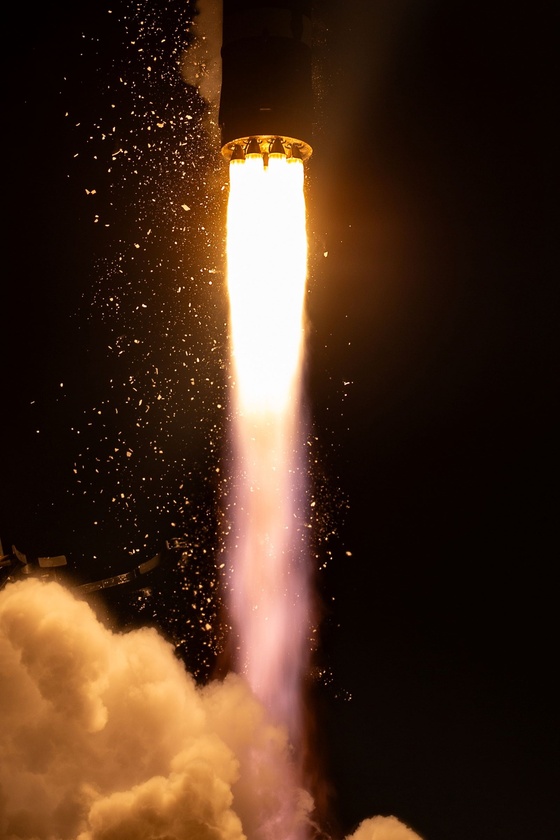
Rocket Lab Electron launched its 98th Electron mission on Friday(Oct. 23) at 0711 UTC, from Launch Complex 1 in New Zealand, deploying three HAWK satellites for HawkEye 360 into a 520-kilometer low Earth orbit. The "We're Not Hawking Around" mission marks Rocket Lab’s 19th launch of the year.

The rocket carried three HAWK satellites designed for HawkEye 360, a Virginia-based signals intelligence company. They operate in clusters of three to scan the globe for radio frequency (RF) emissions, utilizing Time Difference of Arrival (TDOA) and Frequency Difference of Arrival (FDOA) processing.

The collected data supports maritime tracking, GNSS jamming detection, radar monitoring, communications mapping, and space defense for the U.S. government and its allies.

"Operating in clusters of three, HawkEye 360's satellites collect signal data from across the RF spectrum for maritime tracking, GNSS jamming detection, radar monitoring, communications mapping and space defense," Rocket Lab wrote in a mission description.

HawkEye 360 provides this data to the U.S. government and its allies "to enable faster, better decision-making," according to the company. "Our space-based collection, proprietary signal processing and AI-powered analytics transform knowledge of the RF spectrum into a strategic advantage."

This deployment is the third dedicated Electron launch for HawkEye 360 since 2023, adding to the company’s nearly 50 satellites in orbit since its first launch in 2018.

Friday's flight represents Rocket Lab’s 98th launch to date, bringing the company closer to the milestone of 100 Electron launches. The company has executed 16 Electron missions and three suborbital HASTE flights this year, demonstrating high turnaround speed and production rates.

The mission underscores Rocket Lab’s trusted role in scaling commercial constellations for defense and commercial customers, following a previous HawkEye 360 launch on SpaceX’s Bandwagon-5 mission just two days prior.

Read full Article
October 23, 2026
post photo preview
Jared Kushner's Hacked Phone Reveals Secret Negotiations, $2B Slush Funds, With Gulf Leaders

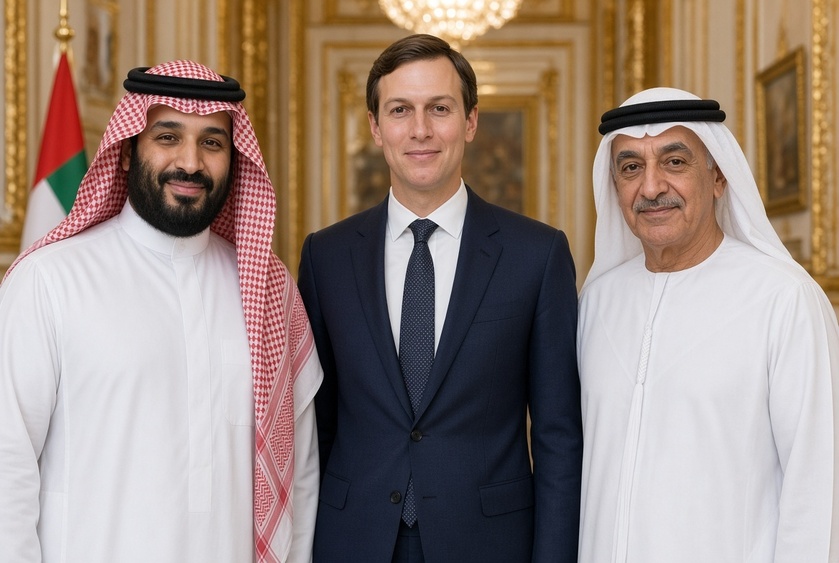
Netherlands Defense Intelligence and Security Service (MIVD) obtained access to President Donald Trump's son-in-law, Jared Kushner's hacked iPhone, after recruiting a Russian military intelligence(GRU)'s operative, revealing secret negotiations and financial transfers involving Saudi Crown Prince Mohammed bin Salman (MBS) and UAE President Mohamed bin Zayed (MBZ).

In late 2017, after capturing the GRU hacker, a dark-web specialist in stolen banking data, traveling to the United Kingdom, MIVD sought and received British permission to intercept him upon arrival, gained access to a Russian server containing screenshots of Kushner’s iPhone, then reverse-engineered the vulnerability to monitor his screen activity starting in early 2018.

A tip in 2020, reportedly revealed that via the hacked Kushner’s phone, Dutch intelligence observed him accessing a Dubai-based bank account holding hundreds of millions of dollars that had originated from a bank in Azerbaijan. He reportedly appeared to have moved substantial sums from that account to various individuals, including a warlord, a mercenary, and a former hit man.

Intelligence reportedly showed Kushner accessing secret bank accounts funded with at least $2 billion by MBS and MBZ, including an account at First Abu Dhabi Bank and another linked to Israel’s Central Bank.

The account sat at the intersection of several overlapping ambitions. MBZ reportedly wanted the Trump administration to abandon the Iran nuclear deal; MBS) sought help securing his position as crown prince; and Kushner hoped to advance an Israeli-Palestinian arrangement acceptable to Israel while his family’s real-estate company faced a looming billion-dollar debt on 666 Fifth Avenue.

The hacking allegedly revealed over $700 million in transfers, with funds routed through an Azerbaijani bank to a UAE charity account under the nominal ownership of the Watani Al Emarat Foundation, run by Dherar Belhoul Al Falasi, which Kushner allegedly used to pay for covert operations involving a warlord, a mercenary, and a hitman. The charity also served as a cover for sensitive military and intelligence expenditures.

Kushner and his legal team have categorically denied the claims as "completely insane" and "outrageous fabrications," stating no such bank accounts exist and noting that none of these events surfaced during previous congressional or special counsel investigations.

Read full Article
October 21, 2026
post photo preview
Tesla Q3 2026 Earnings Call: Company Beats Revenue Expectations

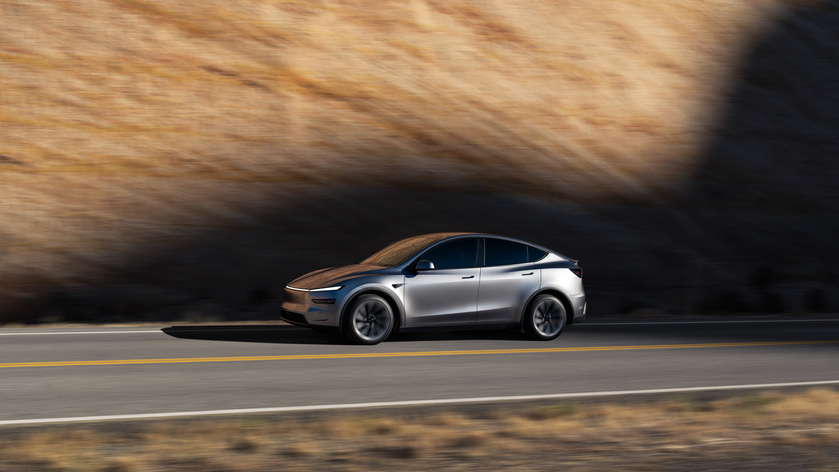
Tesla reported its third quarter (Q3 2026) revenue of $28.05 billion, slightly beating estimates, while non-GAAP EPS of $0.48 exceeded the $0.43 consensus, despite a 56% year-over-year drop in operating income due to heavy spending on AI and Optimus humanoid robots.

Tesla delivered 486,532 vehicles, with CEO Elon Musk saying demand is "exceeding production by a significant margin," driven largely by Full Self-Driving (FSD) interest. While core automotive revenue fell 3% to $20.56 billion, services and other revenue surged 33% to $4.61 billion, hitting a record gross profit.

“We believe that FSD is driving demand in markets where it is available, and we continue to work with regulators to get it approved in other markets,” the company said in its investor deck.

Ashok Elluswamy, Tesla’s vice president of Autopilot, said on the earnings call that the company plans to give some customer cars access to its forthcoming FSD (Unsupervised) systems around the second quarter of next year.

Auto gross margins rebounded to 18.1%, and overall gross margin expanded by 160 basis points to 19.6%, though high R&D costs suppressed net income.

The Cybercab, Tesla’s two-seat autonomous robotaxi, launched unsupervised service in Austin, Texas, with the fleet growing by a factor of 10 since launch.

Tesla plans to expand the Cybercab fleet to Dallas in November and other cities by year-end, with the Robotaxi service expected to contribute financially in 2027. Musk clarified that the Cybercab will primarily operate as a Tesla-owned transport-as-a-service, distinct from consumer vehicles like the Model 3 and Model Y.

The vehicle utilizes 50% fewer parts than other Tesla models, with production ramping at Giga Texas to support both internal fleet needs and future customer deliveries.

“It’s not like going to move the needle this quarter,” Musk said, “I think it starts to become noticeable in Q2 and then probably a big deal by Q3 or Q4 of next year.”

Barring regulatory intervention and protectionism, Musk predicted that Tesla “will end up doing a majority of all passenger miles on Earth in any country where it is allowed to operate freely.”

Tesla maintains its target of 5 million vehicles per year by 2030, with new factories in Berlin and Reno (Semi) supporting this expansion.

Optimus humanoid robots have entered production, with Musk noting that the AI architecture is still being refined to handle open-ended tasks without pre-programmed exoskeletons. Tesla aims to ship Optimus to customers in about a year, targeting an annualized production rate of 20,000 units per week by mid-2027.

An Optimus video demonstrating non-preprogrammed tasks is expected within a month, and the Tesla AI5 chip integration is slated for April 2027.

Capital expenditure for Optimus and AI compute is rising, with Musk highlighting the massive scale of the Terafab chip plant, which will cost tens of billions in equipment shared with SpaceX.

Tesla returned to positive free cash flow of $1.53 billion, down from $3.99 billion in the prior year, while maintaining $45.4 billion in cash and investments. Musk lowered the annual capital spending forecast to about $20 billion, down from the previous $25 billion+ guidance, citing efficiency in current projects.

Read full Article
See More
Available on mobile and TV devices
google store google store app store app store
google store google store app tv store app tv store amazon store amazon store roku store roku store
Powered by Locals